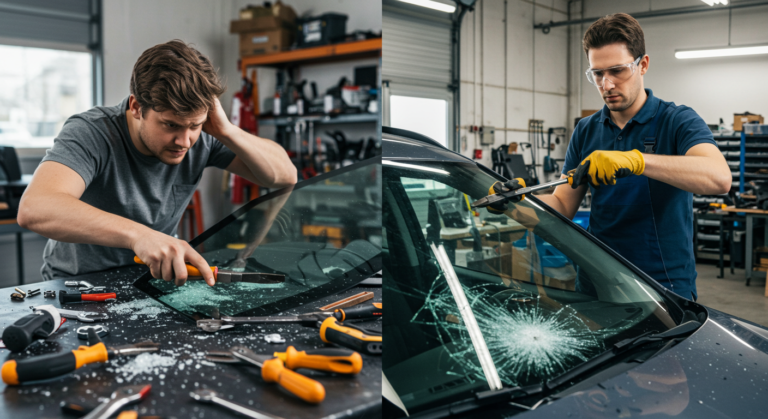

What Is a Windshield Insurance Claim in Texas Without Raising Rates? 2025 Complete Guide
A windshield insurance claim in Texas is a request to your insurance carrier to cover windshield damage under comprehensive coverage, typically filed as a no-fault claim that generally does not raise insurance rates according to Texas Department of Insurance (TDI) guidelines as of 2025. Unlike at-fault collision claims, comprehensive windshield claims represent environmental damage from road debris, hail damage, or vandalism.
Why Windshield Claims Matter for Texas Policyholders

Texas drivers face unique challenges with windshield damage due to extreme weather conditions, highway construction, and road debris. Understanding comprehensive coverage windshield claims matters because approximately 60% of Texas drivers delay necessary windshield replacement due to rate increase concerns, according to actuarial tables from major carriers (2024-2025). This delay compromises vehicle safety and ADAS calibration accuracy in modern vehicles equipped with Advanced Driver Assistance Systems.
The distinction between comprehensive and collision coverage determines whether your insurance premium increases. Comprehensive insurance Texas claims represent environmental or non-driving factors, while collision claims indicate at-fault accidents that trigger rate adjustments through underwriting processes.
Key Characteristics of Texas Windshield Insurance Claims

1. Comprehensive Coverage Classification
Texas auto insurance windshield claims fall under comprehensive coverage, not collision coverage. State Farm, Allstate, Geico, Progressive, USAA, Farmers Insurance, Liberty Mutual, and Nationwide classify windshield damage as comprehensive loss when caused by rock chips, weather damage, or glass breakage from non-collision events.
2. No-Fault Claim Status
Windshield claims qualify as not-at-fault claims because they result from environmental factors beyond driver control. The Comprehensive Loss Underwriting Exchange (CLUE) report maintained by LexisNexis records these claims differently than at-fault claims, which influences how insurance carriers perform risk assessment.
3. Deductible Requirements
Most Texas insurance policies require deductibles ranging from $100 to $1,000 for comprehensive claims. However, some carriers offer full glass coverage or zero deductible glass options, allowing windshield replacement without out-of-pocket costs.
4. ADAS Calibration Considerations
Modern vehicles require ADAS calibration after windshield replacement, particularly those with lane-assist, collision warning, or heads-up displays. Insurance coverage must account for this additional cost, typically $200-$500 beyond glass replacement. For vehicles requiring specialized windshields, refer to our guide on special windshields for cars with rain sensors, HUD, or lane-assist.
5. OEM vs Aftermarket Glass Coverage
Insurance carriers may specify OEM glass (Original Equipment Manufacturer) or aftermarket glass in policy terms. Coverage limits and replacement cost vary significantly between these options, affecting premium calculations.
How Texas Windshield Insurance Claims Work: Step-by-Step Process
Step 1: Document Windshield Damage
Photograph the windshield crack or chip immediately. Note the damage date, location, and suspected cause (hail damage, road debris, vandalism). This documentation supports your claim reporting process.
Step 2: Review Your Insurance Policy
Check your insurance policy for comprehensive coverage limits, glass deductible amounts, and any glass deductible waiver provisions. Contact your insurance agent or insurance broker to clarify coverage options before filing.
Step 3: File the Claim
Report the claim to your insurance carrier within 24-72 hours. Provide your policy number, damage details, and documentation. Most carriers including Progressive, Geico, and State Farm offer mobile apps for insurance filing.
Step 4: Schedule Inspection or Repair
An insurance adjuster may inspect the damage, or the carrier may authorize direct repair through approved vendors like SafeLite or mobile glass service providers. Many Texas insurance companies allow policyholders to choose their auto glass repair facility.
Step 5: Complete Replacement or Repair
For chip repair, the process typically takes 30 minutes. Windshield replacement requires 2-4 hours including ADAS calibration. Pay any applicable deductible to the service provider.
Step 6: Claim Documentation
The claim enters your claims history via the CLUE report. According to TDI regulations (2025), comprehensive-only claims should not trigger automatic rate increases during policy renewal.
Will Filing a Windshield Claim Raise Your Texas Insurance Rates?
General Rule: Comprehensive Claims and Rate Stability
According to Texas insurance regulation, comprehensive claim premium increase scenarios are uncommon for single windshield claims. Major carriers typically do not raise rates for isolated comprehensive losses because these represent environmental risk factors, not driver behavior.
Exception Scenarios
Your insurance premium hike may occur if:
- You file multiple windshield claims within 12-24 months (claim frequency exceeds actuarial norms)
- Your claims record shows combined comprehensive and at-fault claims
- Your carrier’s loss ratio for your risk classification requires rate adjustment
- You switch insurance providers and the new underwriting process considers your loss history
Carrier-Specific Policies
USAA, Farmers Insurance, and Liberty Mutual have published guidelines stating single comprehensive windshield claims do not affect premium calculations. Geico and Progressive evaluate claims experience on individual basis. Nationwide and Allstate consider claim impact within broader underwriting criteria.
Common Misconceptions About Texas Windshield Claims
Myth 1: All Insurance Claims Raise Rates
Reality: Not-at-fault claims like windshield damage typically do not trigger rate adjustments. Texas law prohibits insurers from increasing premiums solely based on comprehensive claims unless loss history indicates elevated risk factors.
Myth 2: Texas Offers Free Windshield Replacement
Reality: Unlike Florida, Kentucky, and South Carolina, Texas does not mandate waived deductible for glass claims. Free windshield replacement Texas only applies if your policy includes glass deductible waiver or zero deductible glass coverage as an optional endorsement.
Myth 3: Small Chips Don’t Require Claims
Reality: Rock chip damage spreads quickly in Texas heat. Filing a crack repair claim early costs less than full replacement and prevents safety hazards. Most carriers cover chip repair at lower or zero deductibles.
Myth 4: All Carriers Handle Claims Identically
Reality: Texas insurance companies vary in claim approval processes, preferred glass vendors, OEM requirements, and surcharge policies. Review your specific insurance provider guidelines before assuming rate protection.
Windshield Claim vs. Out-of-Pocket Payment
When to File a Claim
File a windshield damage claim when:
- Replacement cost exceeds your deductible by $200+ (typical Texas windshield replacement costs $250-$600 for standard vehicles, $400-$1,200 for vehicles requiring ADAS calibration)
- You have glass deductible waiver or full coverage with $0-$100 deductible
- Safety concerns require immediate professional repair
- Your claims history shows no recent comprehensive claims
When to Pay Out-of-Pocket
Consider avoiding a claim when:
- Repair costs fall below your deductible amount
- You’ve filed 2+ comprehensive claims in the past 24 months
- Your policy renewal is within 60 days (to avoid potential rate assessment during underwriting review)
- Chip repair costs $50-$100 (many auto glass repair shops offer discounted rates)
Texas-Specific Regulations and Coverage Options
TDI Guidelines for Rate Adjustments
The Texas Department of Insurance requires carriers to justify premium increases based on objective risk classification criteria. Single comprehensive claims alone typically do not meet these criteria as of 2025 regulations.
Glass Coverage Endorsements
Texas policyholders can purchase:
- Glass Deductible Waiver: Eliminates deductibles for windshield claims (adds $15-$40 annually to premiums)
- Zero Deductible Glass: Provides full glass coverage without out-of-pocket costs
- OEM Glass Requirement: Ensures replacement with manufacturer-specified glass (critical for vehicles with ADAS)
Claim Forgiveness Programs
Some carriers offer claim forgiveness that protects rate stability after first comprehensive claim. This benefit typically requires 3-5 years of claim-free history and may add $50-$150 to annual premiums.
Practical Applications for Texas Drivers
To file a windshield insurance claim Texas residents should contact their insurance carrier immediately after damage occurs. Document all damage with photographs, review policy terms for deductible amounts, and choose qualified auto glass repair providers who guarantee OEM glass and proper ADAS calibration.
Monitor your claims record through annual CLUE report reviews (available free at LexisNexis). Understanding how your insured vehicle’s glass damage enters underwriting calculations helps you make informed decisions about when to file versus when to pay replacement cost directly.
For optimal rate protection and premium stability, maintain comprehensive auto insurance with appropriate glass coverage endorsements, limit claim frequency to genuine needs, and work with insurance agents who understand Texas windshield laws and carrier-specific policies.