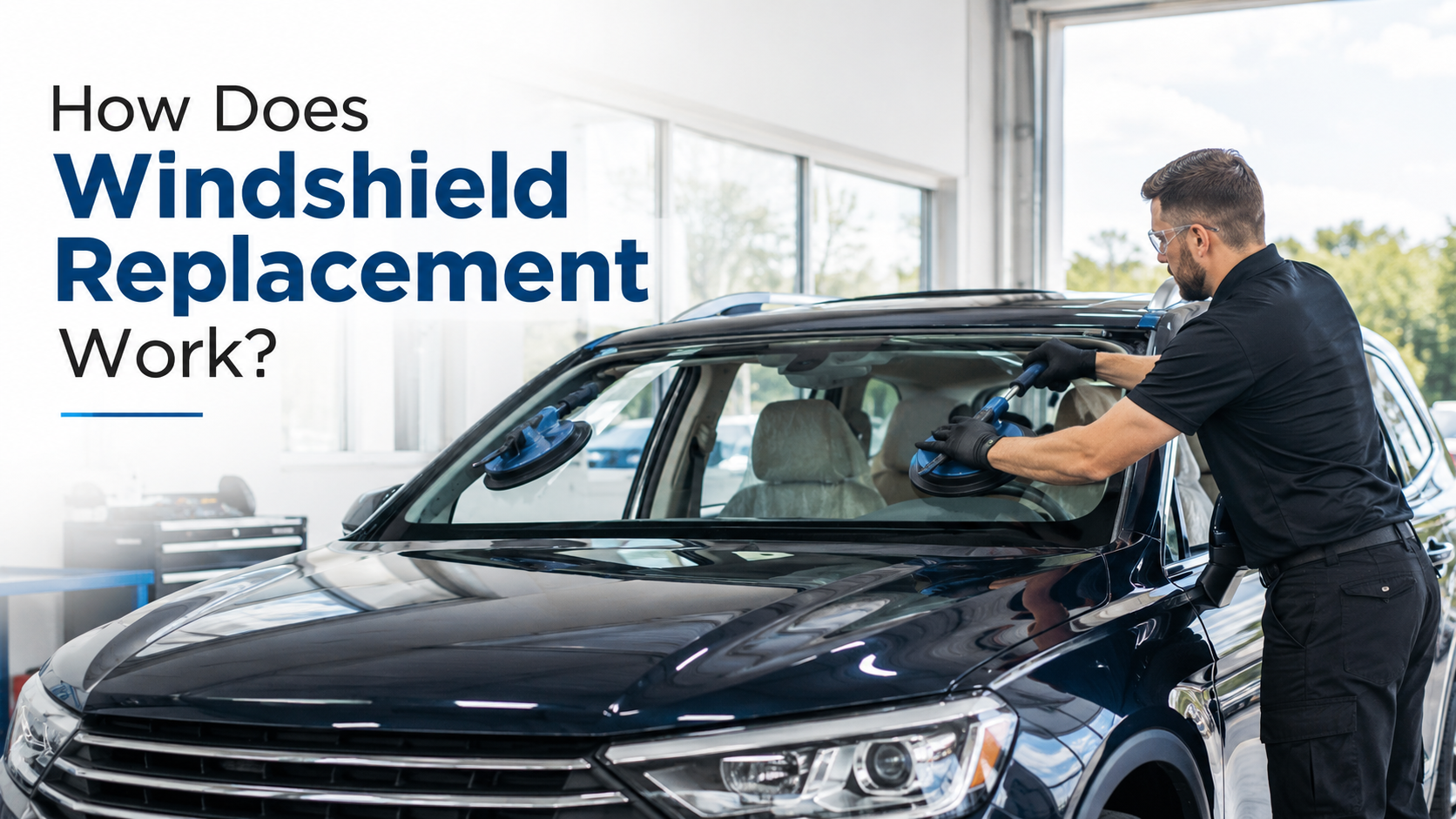
How does windshield replacement work?
Windshield replacement is the complete removal of damaged auto glass and installation of a new windscreen using urethane adhesive and precise calibration procedures to restore vehicle safety and structural integrity. According to the National Glass Association (as of 2025), proper windshield replacement requires specialized tools, certified technicians, and strict adherence to safety protocols to maintain the structural strength and passenger protection features of modern vehicles.
The front glass replacement process has evolved significantly with modern automotive technology. Today’s windshield installation process involves more than simply removing broken windshield glass and installing a new piece. Advanced Driver Assistance Systems (ADAS) such as lane departure warning and forward collision warning systems require camera recalibration after replacement. This complexity makes understanding the replacement procedure essential for vehicle owners facing windshield damage.
Key Components of Windshield Replacement
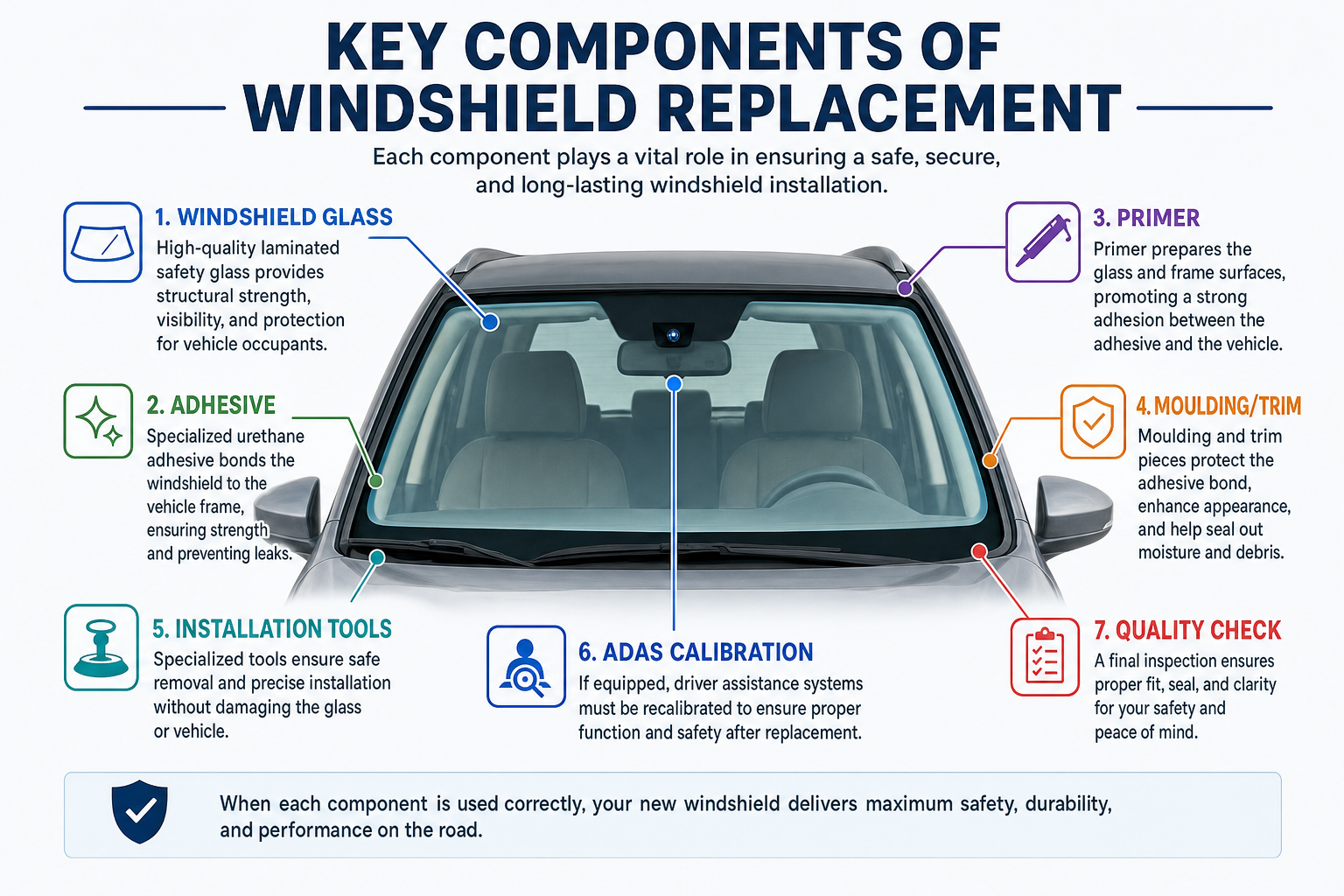
Modern windshields consist of laminated glass featuring two layers of tempered glass bonded together with a polyvinyl butyral (PVB layer) interlayer. This PVB layer provides shatter-resistant properties and impact resistance, preventing the glass from fragmenting into dangerous shards during collisions. The National Windshield Repair Association confirms that this three-layer construction contributes significantly to collision safety by maintaining optical clarity while providing structural support to the vehicle’s roof.
The bonding agent used during installation is adhesive urethane, a specialized sealant that creates a weather seal and provides up to 30% of the vehicle’s structural strength in rollover accidents. According to the Auto Glass Safety Council (AGSC), proper urethane application and curing time are critical factors determining whether the windshield will perform correctly during a collision. Professional installation by an AGSC certified technician ensures the glass bonding meets manufacturer specifications.
Essential Materials Used in Installation
- Primer: Applied to the pinchweld and glass edges to enhance adhesive bonding
- Activator: Accelerates the initial curing process of urethane adhesive
- Urethane sealant: Creates permanent bond between glass and vehicle frame
- Molding and trim: Provides finished appearance and additional weather protection
- Retention tape: Temporarily holds glass in proper alignment during setting time
How Windshield Replacement Works Step by Step
Understanding how does windshield replacement work step by step helps vehicle owners prepare for the service appointment and know what to expect during windshield replacement. The replacement process typically requires 60-90 minutes for standard installations, with additional time needed for ADAS calibration on equipped vehicles.
1. Windshield Damage Assessment
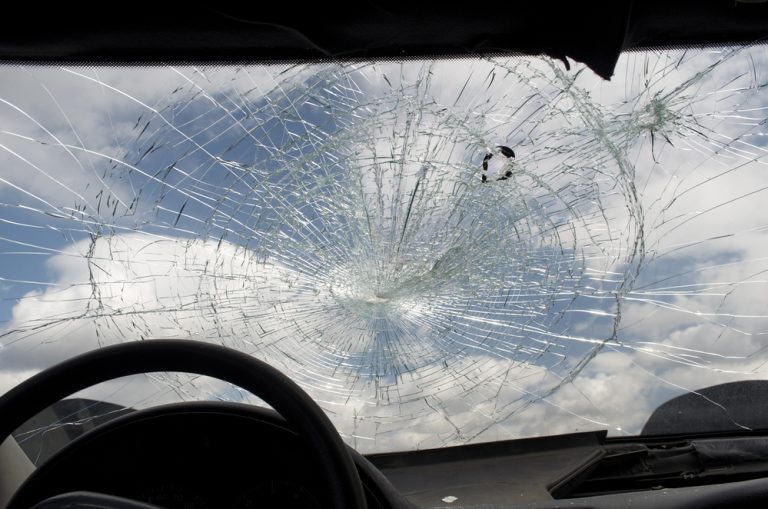
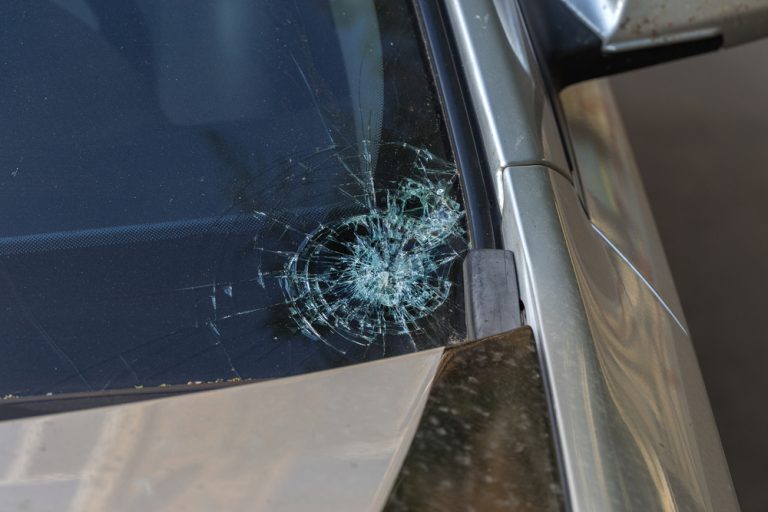
A certified technician first evaluates whether the damage requires replacement vs repair. According to industry standards (as of 2025), rock chips smaller than a quarter and cracks shorter than three inches can often be repaired. However, damage in the driver’s line of sight, multiple star breaks, or cracks extending to the windshield edge necessitate complete replacement. The technician also checks for stress cracks that indicate structural compromise.
2. Old Glass Removal Process
The glass technician carefully removes windshield molding and any electronic components attached to the glass, including the rearview mirror, rain sensor, and camera systems. Using specialized removal tools, the technician cuts through the old urethane adhesive while protecting the dashboard, A-pillars, and cowl from damage. Complete adhesive removal from the pinchweld is essential for proper fit of the new windshield.
3. Surface Preparation and Cleaning
After old glass removal, the technician performs thorough pinchweld cleaning to remove all residual adhesive, rust, and contaminants. Any rust treatment is applied to prevent future corrosion. The Auto Glass Safety Council requires leaving a 1-2mm layer of old urethane as a base for the new adhesive. This preparation step directly impacts the quality of the weather seal and structural bond.
4. Primer Application and Glass Preparation
The technician applies primer to both the cleaned pinchweld and the ceramic frit edge of the new windshield. This primer application enhances the chemical bond between the urethane and both surfaces. The primer must dry completely before adhesive application—typically 5-10 minutes depending on temperature and humidity conditions.
5. Urethane Adhesive Application
Using a caulking gun, the technician applies a continuous bead of urethane sealant to either the pinchweld or the windshield edge. The bead application must be uniform in height and width to ensure proper seating and exact fit. According to windshield replacement procedure standards, the urethane bead should be applied immediately before glass placement to prevent premature skinning of the adhesive surface.
6. Glass Placement and Alignment
The new windshield is carefully positioned and pressed into place, ensuring proper alignment with all mounting points. The technician verifies the glass sits flush with the body panels and maintains consistent gap spacing. Retention tape or a support system holds the windshield in proper position during the initial setting time. Any excess urethane is trimmed and smoothed to create a clean appearance.
7. Molding and Trim Replacement
New or existing windshield molding is installed around the perimeter to provide a finished appearance and additional protection against water leaks and wind noise. Some vehicles use a gasket replacement system, while others rely solely on direct bonding. The trim replacement must not disturb the curing adhesive.
8. ADAS Calibration
Vehicles equipped with Advanced Driver Assistance Systems require camera recalibration after windshield replacement. The windshield serves as a mounting point for cameras controlling lane departure warning, forward collision warning, and automatic emergency braking. According to manufacturer specifications (as of 2025), even slight changes in camera angle can compromise these safety systems. Calibration requires specialized equipment and typically adds 1-2 hours to the service appointment.
OEM vs Aftermarket Windshield: Understanding Your Options
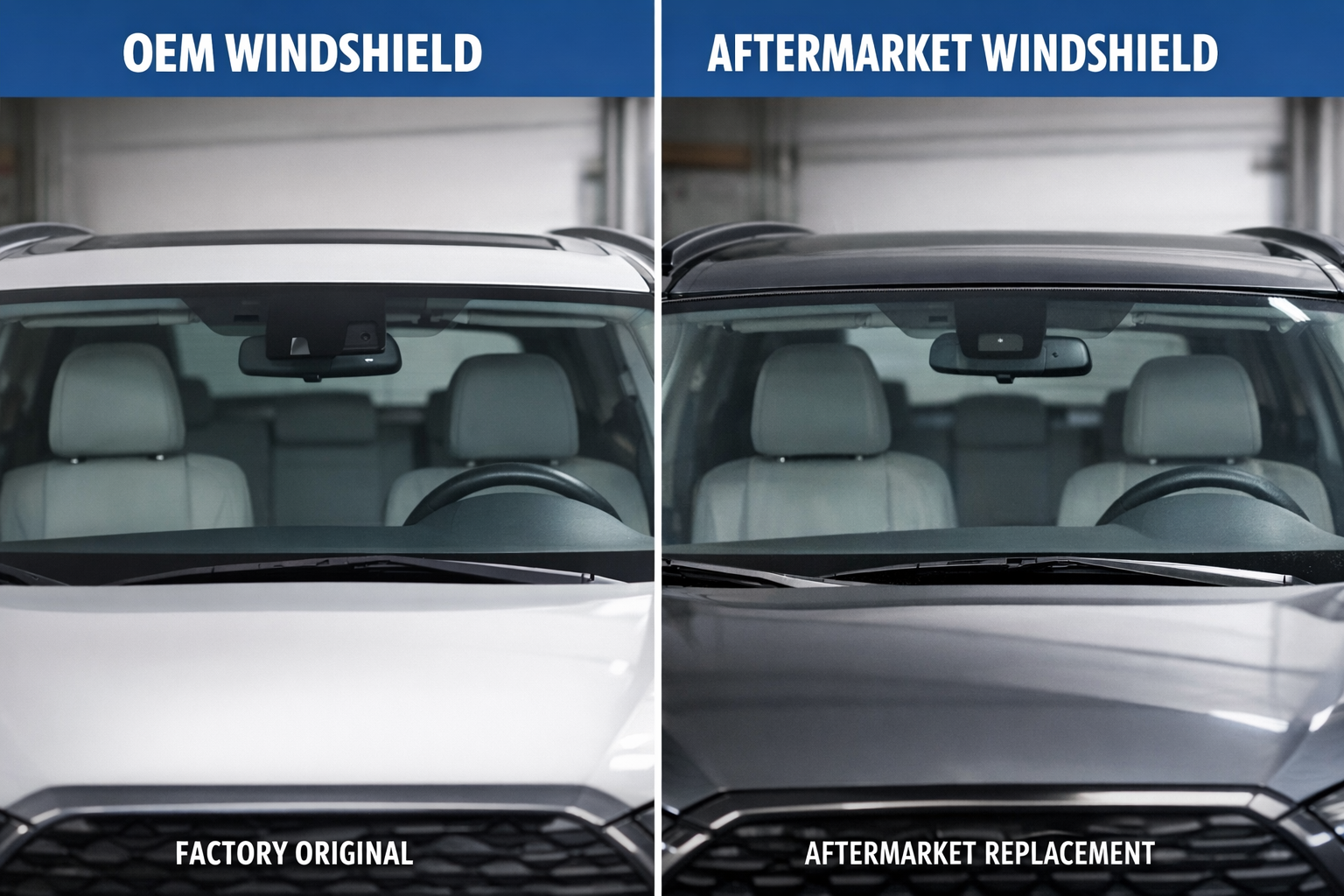
Vehicle owners choosing windshield replacement service face the decision between OEM glass (Original Equipment Manufacturer) and aftermarket windshield options. OEM windshield glass is manufactured by the same company that produced the original glass, ensuring identical specifications, thickness, and quality. These original glass windshields feature the vehicle manufacturer’s logo and DOT number certifying compliance with Federal Motor Vehicle Safety Standards.
Aftermarket glass is produced by third-party manufacturers to meet or exceed original specifications. High-quality aftermarket options can provide comparable performance at lower replacement cost while maintaining proper fit and safety standards. The National Glass Association confirms that both OEM and aftermarket glass must meet the same federal safety requirements for impact resistance and optical clarity.
Specialty Glass Types
Modern vehicles may feature enhanced windshield types requiring specialized replacement:
- Acoustic windshield: Contains additional PVB layers for noise reduction, reducing cabin sound by up to 6 decibels
- Heated windshield: Features embedded heating elements for rapid defrosting in cold weather
- HUD windshield (heads-up display): Includes special coating and wedge-shaped PVB to project dashboard information
- Tinted windshield: Incorporates UV protection and solar control properties
Insurance Coverage for Windshield Replacement
Comprehensive coverage typically includes windshield replacement with a deductible, though some states mandate zero deductible glass coverage. According to insurance industry data (as of 2025), Florida, Kentucky, and South Carolina require insurance companies to waive deductibles for auto glass replacement. Vehicle owners should verify their glass coverage details before scheduling service.
To file an insurance claim for windshield replacement, contact your insurance company directly or ask the glass replacement service to handle the claim process. Most reputable providers, including services offering mobile auto glass repair in Dallas, work directly with insurance companies to streamline approval and minimize out-of-pocket costs. The claim typically covers both parts and labor for the replacement.
Understanding Glass Deductible and Replacement Price
The windshield replacement cost varies based on vehicle make, model, and glass type. Standard replacement ranges from $200-$500 for common vehicles, while luxury or specialty glass can exceed $1,500. ADAS calibration cost adds $150-$300 to the total. Many providers offer free windshield replacement with insurance when comprehensive coverage applies, requiring only deductible payment.
Windshield Replacement vs Repair: When to Replace
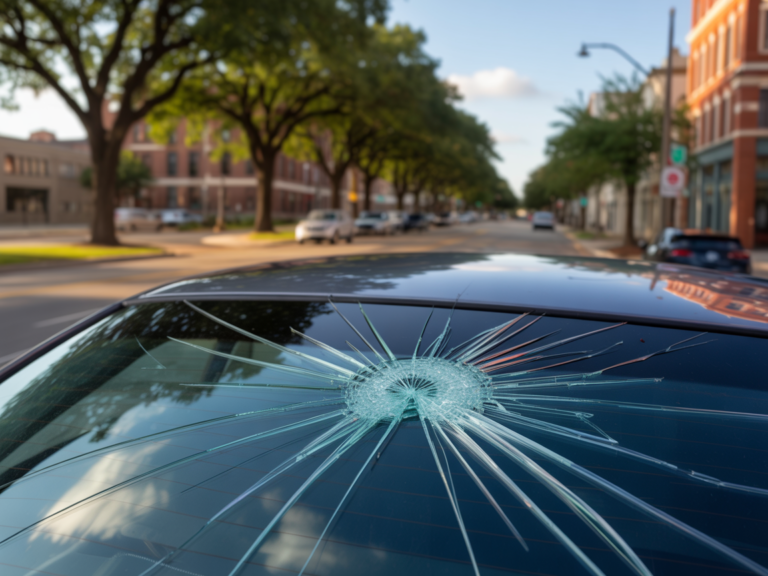
Not all windshield damage requires complete replacement. The Auto Glass Safety Council provides clear guidelines on replacement vs repair decisions. Chip repair is appropriate for damage smaller than a quarter located outside the driver’s direct vision line. A bull’s eye (circular damage) or star break (radiating cracks) can often be repaired if caught early.
Replacement becomes necessary when cracks extend beyond three inches, damage penetrates both glass layers, or the structural integrity is compromised. According to safety standards, any crack extending to the windshield edge requires immediate replacement to prevent sudden failure. Multiple chips clustered in one area also typically necessitate replacement rather than attempting multiple crack repairs.
Mobile Windshield Service vs In-Shop Replacement
Modern windshield replacement service offers both mobile installation and traditional in-shop replacement options. Mobile service brings certified technicians and equipment to the customer’s location—home, office, or roadside—for on-site service convenience. According to the National Glass Association, mobile windshield replacement can achieve the same quality standards as shop installations when performed by trained professionals.
How does mobile windshield replacement work? The mobile unit carries all necessary tools, adhesives, and glass inventory. Technicians perform the complete replacement procedure in the customer’s driveway or parking lot, including surface preparation, adhesive application, and proper installation. However, ADAS calibration often requires returning to a shop facility with specialized alignment equipment, unless the mobile unit includes portable calibration tools.
In-shop replacement provides controlled environmental conditions optimal for adhesive curing, particularly important during windshield replacement in cold weather or hot weather extremes. Temperature affects windshield installation significantly—urethane adhesive cures best between 40-90°F. Shop environments maintain ideal conditions year-round.
Safe Drive-Away Time and Curing Requirements
The safe drive-away time (SDAT) represents the minimum waiting period before operating the vehicle after windshield replacement. When can I drive after windshield replacement depends on the urethane adhesive cure rate and environmental conditions. According to adhesive manufacturers (as of 2025), SDAT typically ranges from 1-3 hours for modern fast-cure urethane products.
However, waiting time should not be confused with full cure time. While SDAT allows safe vehicle operation, the adhesive requires 24-72 hours to reach maximum bond strength. During this curing period, vehicle owners should avoid:
- Car washes or high-pressure water exposure for 24 hours
- Slamming doors or trunk, which creates pressure differentials
- Removing retention tape before recommended time
- Driving at highway speeds during the first few hours
- Exposing the vehicle to extreme temperature changes
How long for windshield adhesive to cure completely depends on temperature, humidity, and urethane type. Cold weather extends curing time requirements, while warm conditions accelerate the process. Professional technicians adjust SDAT recommendations based on current conditions and adhesive specifications.
Quality Standards and Certification
Choosing a best windshield replacement company requires verifying technician certification and adherence to industry safety standards. The Auto Glass Safety Council (AGSC) provides certification programs ensuring technicians understand proper installation procedures, safety protocols, and manufacturer requirements. AGSC certified installers demonstrate proficiency in surface preparation, adhesive application, and quality verification.
The National Glass Association and National Windshield Repair Association establish industry standards for professional installation and vehicle safety maintenance. These organizations require certified windshield replacement technicians to complete ongoing education on new vehicle technologies, adhesive formulations, and ADAS calibration procedures.
Warranty Coverage and Quality Assurance
Reputable auto glass replacement services provide warranty protection covering both materials and workmanship. A standard windshield replacement warranty typically guarantees against leaks, bonding failures, and defects for the vehicle’s lifetime or ownership period. Understanding what the lifetime warranty windshield replacement covers helps vehicle owners select quality providers.
Quality glass companies guarantee their work will meet or exceed original manufacturer specifications for distortion-free visibility, proper fit, and structural performance. Any water leak or wind noise appearing after installation should be addressed immediately under warranty terms. Same-day service and emergency windshield replacement service options demonstrate a provider’s commitment to customer convenience without compromising quality standards.