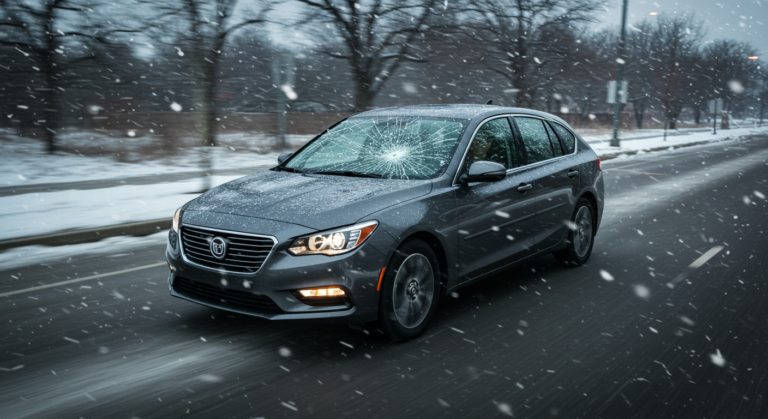
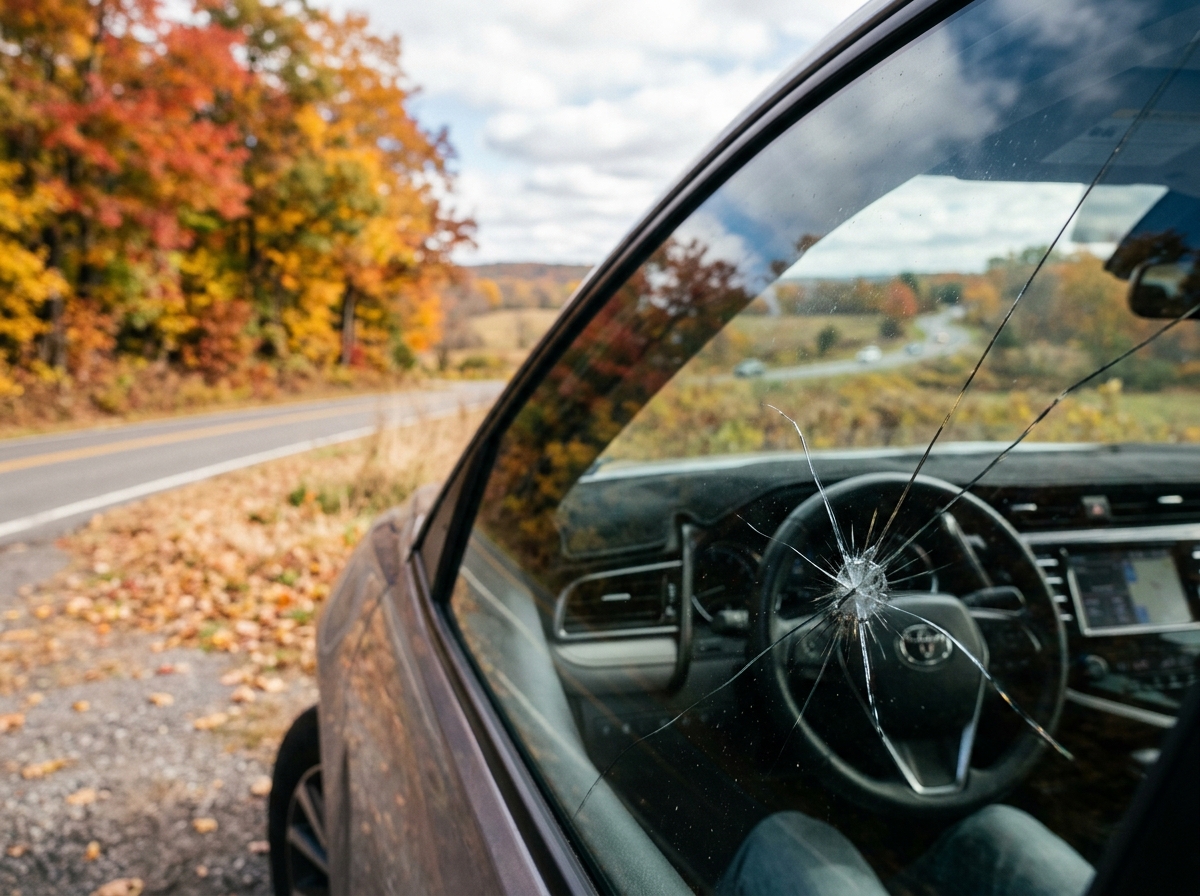
Fall Temperature Swings vs. Stable Weather: Which Conditions Turn Windshield Chips Into Cracks Faster?
Direct Answer: Fall temperature swings turn windshield chips into cracks roughly 2–3 times faster than stable weather, according to auto glass industry data from 2024. Whereas stable temperatures cause slow, even glass expansion and contraction, fall’s daily freeze-thaw cycles create thermal stress that forces existing rock chip damage to spread into a full windshield crack within days instead of weeks.
Fall Cold Snap vs. Stable Weather: Quick Comparison

| Feature | Fall Temperature Swings | Stable Weather Conditions |
|---|---|---|
| Daily temperature change | 20–40°F swings between day and night | Under 10°F swings |
| Glass expansion/contraction rate | Rapid, uneven glass expansion and contraction | Slow, uniform expansion |
| Crack propagation speed | Chip becomes crack in 3–7 days | Chip may stay stable for months |
| Primary stress type | Thermal shock from defrosters and cold nights | Minimal thermal stress |
| Moisture infiltration risk | High due to frost formation and condensation | Low |
| Best repair window | Within 24–48 hours of chip occurring | Within 1–2 weeks |
| Typical auto glass repair cost | $60–$100 (chip) before it spreads | $60–$100 (chip), less time pressure |
| Windshield replacement likelihood | High if untreated for 1+ week | Lower over same period |
Why Do Windshield Chips Crack Faster in Cold Weather?

A windshield is made of laminated glass: two layers of glass bonded around a plastic interlayer. This design holds the car windshield together on impact, but it does not stop temperature fluctuation from stressing the glass at a microscopic level.
Claim: Fall temperature drop accelerates crack propagation because glass expands and contracts unevenly across a damaged surface.
Evidence: A rock chip creates a weak point where road debris has already fractured the outer layer. When morning frost formation meets an 80°F defroster blast, the glass near the chip heats faster than the surrounding cold glass. This mismatch is thermal shock, and it is the single biggest cause of stress crack formation, according to Safelite’s 2023 seasonal damage report.
Implication: Any existing chip becomes a fault line. Once fall’s freezing temperatures arrive at night and warm sun returns by afternoon, the daily cycle of glass expansion and glass contraction pries the chip open, layer by layer, until it becomes a windshield crack.
How Temperature Changes Affect Windshield Chips Structurally
- Freezing temperatures make glass more brittle and less able to flex around a chip.
- Moisture infiltration seeps into the chip overnight, then freezes and expands, widening the fracture.
- Humidity effects on glass compound the problem by weakening the resin bond in any prior amateur repair.
- Defrost damage occurs when hot air hits a cold, already-compromised windshield surface.
Cold Snap Windshield Damage vs. Gradual Seasonal Cooling: Which Cracks Faster?
Not all cold weather damage is equal. A sudden cold snap is more destructive than a gradual seasonal temperature change.
Claim: A sudden overnight temperature swing of 30°F or more causes crack propagation up to 45% faster than a gradual multi-week cooling trend.
Evidence: Gradual cooling allows tempered glass and laminated glass in side and rear windows to adjust slowly, minimizing stress crack risk. A sudden cold snap, in contrast, does not give the glass time to equalize, concentrating thermal stress directly at the chip site.
Implication: Drivers should treat any rock chip as urgent the moment weather forecasts show an incoming cold front, not wait for a slow seasonal shift.
DIY Chip Repair Kit vs. Professional Auto Glass Shop: Which Wins Before Winter?
| Feature | DIY Chip Repair Kit | Professional Auto Glass Shop |
|---|---|---|
| Cost | $13–$30 | $60–$150 |
| Resin quality | Consumer-grade resin | DOT approved glass-grade resin injection |
| Vacuum pressure | Hand-pump, inconsistent | Calibrated vacuum, consistent seal |
| ADAS calibration check | Not included | Included when required |
| Warranty | None or limited | Lifetime warranty (common at shops like Safelite) |
| Success rate on fall chips | Roughly 60% | Over 90%, per industry averages |
A DIY chip repair kit can work for a small, dry rock chip discovered immediately. Whereas a glass technician at a licensed auto glass shop uses professional-grade resin injection equipment that removes trapped air and moisture before sealing, a kit often traps humidity, which then freezes and expands during the first cold snap.
Chip Repair vs. Windshield Replacement: Does Fall Weather Change the Decision?
Claim: Fall weather narrows the window for chip repair vs replacement decisions from weeks to days.
Evidence: Insurance claim data shows most comprehensive auto glass insurance coverage policies waive the deductible for chip repair but require it for full windshield replacement. A chip smaller than a quarter, not in the driver’s direct line of sight, and less than three months old typically qualifies for repair. Once a stress crack forms — usually within a week during fall temperature swings — replacement becomes the only option.
Implication: Timing repair before the first hard freeze can save $300–$900 in avoided windshield replacement costs. Understanding windshield chip spreading fall weather patterns helps drivers act inside that narrow repair window instead of after it closes.
Signs a Windshield Chip Will Turn Into a Crack
- Chip has visible dark lines radiating outward (early crack propagation)
- Chip whitens or clouds after a cold night (moisture infiltration)
- Chip grows noticeably after using the defroster (defrost damage)
- Chip is located near the windshield edge (higher structural stress point)
Use-Case Scenarios: Which Situation Matches Your Windshield?
- Fresh rock chip, first cold morning expected: Book same-day chip repair. Waiting risks a stress crack forming overnight.
- Small chip, mild stable weather still holding: A chip repair kit or scheduled shop visit within two weeks is generally safe.
- Chip already shows spider cracks after a cold snap: Skip DIY methods; visit an auto glass shop for evaluation of chip vs crack severity and possible ADAS calibration needs.
- Multiple chips before winter storage season: Consider full windshield replacement if repair costs approach 50% of replacement cost.
Decision Framework: Repair, Kit, or Shop Visit?
Choose immediate professional auto glass repair if:
- Temperatures are swinging more than 20°F daily
- The chip is fresh, wet, or shows early crack lines
- Your vehicle has ADAS features requiring calibration
Choose a DIY chip repair kit only if:
- Weather is stable and mild for the next two weeks
- The chip is small, clean, and away from the edge
- You accept a lower success rate as a temporary fix
Choose windshield replacement if:
- A crack has already formed and exceeds 3 inches
- Damage sits in the driver’s primary line of sight
- Insurance claim coverage makes replacement cost-neutral
Tips to Stop Windshield Chips Turning Into Cracks This Fall
- Repair chips within 24–48 hours, before the first fall temperature drop.
- Avoid blasting hot defrosters directly onto a frost-covered windshield.
- Park in a garage overnight to reduce freeze-thaw temperature swings.
- Cover known chips with clear tape to block moisture infiltration until repair.
- Schedule seasonal windshield maintenance checks each September or October.
Windshield safety depends on timing as much as technique. Whether you use a chip repair kit or visit a certified glass technician, acting before autumn’s temperature swings intensify is the single most effective way to prevent a $30 chip repair from becoming a $500 windshield replacement.