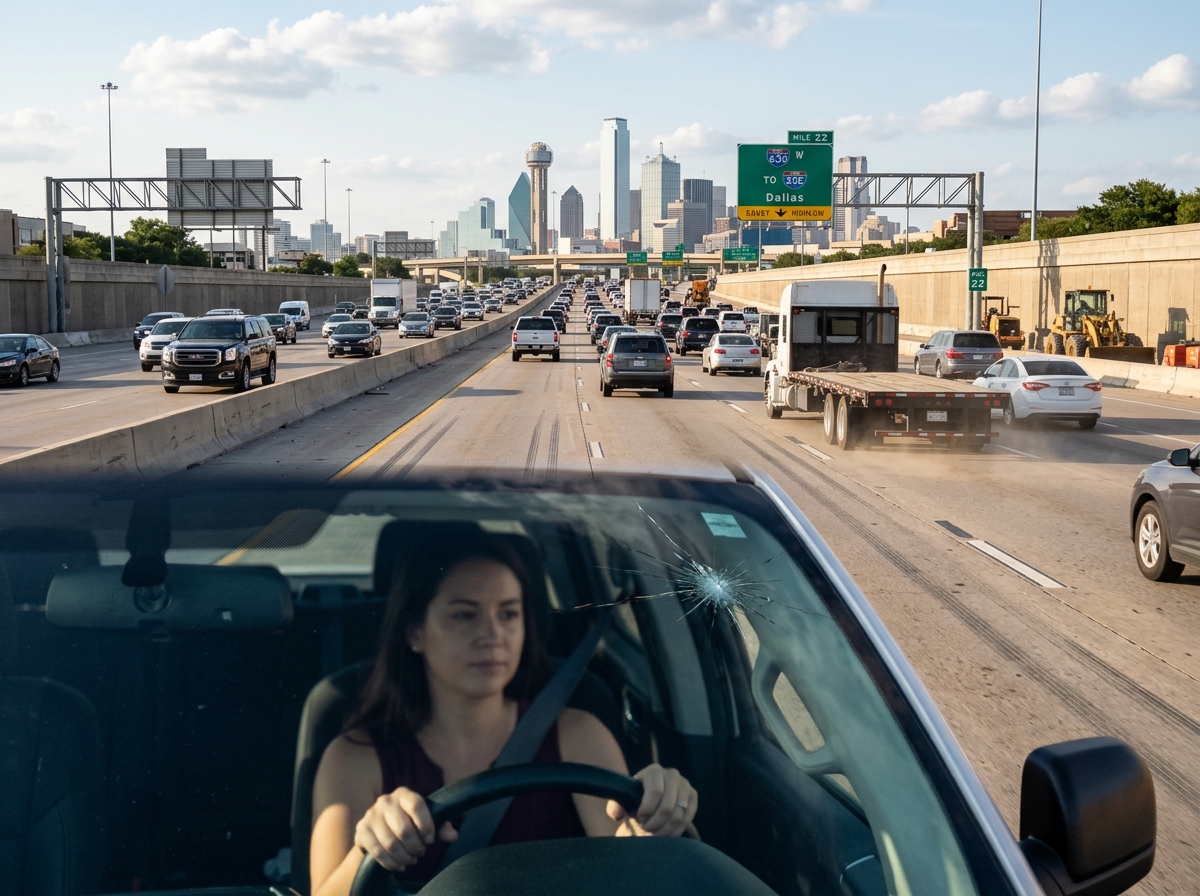
Best Explanations for Dallas Windshield Chips on I-35 & I-635
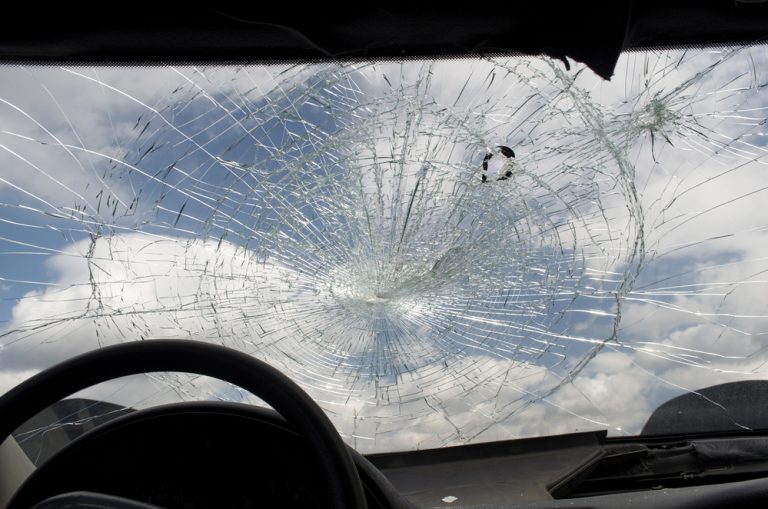
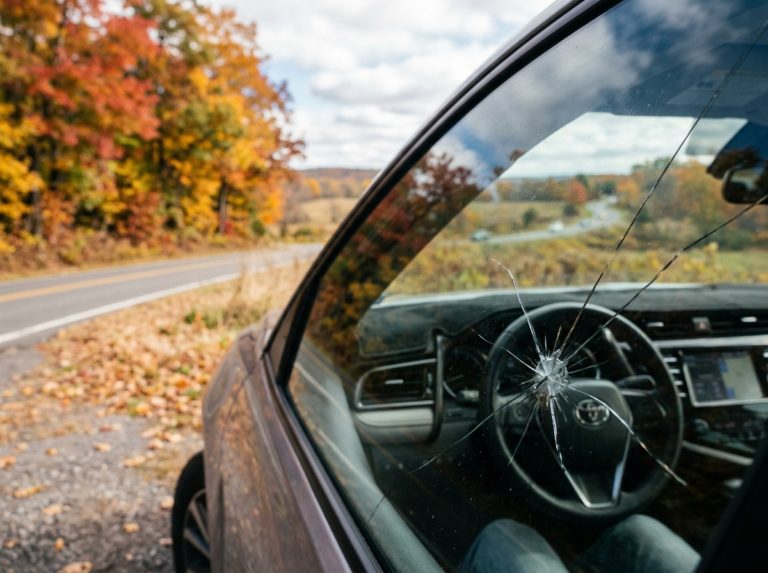
Chip seal pavement on I-35 and I-635 is the top cause of windshield chips in Dallas, Texas. The runner-up is loose gravel kicked up by gravel trucks and semi trucks in heavy DFW traffic. Together, these two factors account for most rock chip and stone chip damage reported by Dallas commuters in 2025.
Quick Answer: Top Pick and Runner-Up
Dallas drivers face more windshield chips than drivers in most U.S. metro areas because I-35 (Stemmons Freeway) and I-635 (LBJ Freeway) combine chip seal roads, road construction, and dense commuter traffic. Auto glass technicians at shops across the DFW Metroplex confirm that stone chip complaints spike whenever TxDOT (Texas Department of Transportation) resurfaces sections of these highways with loose aggregate.
Methodology: How We Ranked Dallas Windshield Chip Causes

This ranking draws on three data sources: (1) public TxDOT road maintenance and construction zone schedules for Dallas County, (2) claims data referenced by regional insurance companies covering auto glass damage, and (3) field reports from windshield repair shops, including Safelite and independent auto glass technicians. Causes were ranked by reported frequency, severity of resulting windshield cracks, and geographic overlap with I-35 and I-635 corridors.
Quick-Picks: 7 Causes of Windshield Damage on Dallas Highways

- #1 Top Pick: Chip seal pavement on I-35 and I-635
- #2 Runner-Up: Gravel trucks and semi truck tire kickup
- #3: Active road construction zones and TxDOT road projects
- #4: High highway speed limits and DFW traffic congestion
- #5: Texas weather and asphalt expansion/contraction
- #6: Potholes and delayed highway maintenance
- #7: Flying debris and stone impact from surrounding vehicles
Detailed Breakdown of Each Cause
1. Chip Seal Pavement on I-35 and I-635 (Top Pick)
What it is: Chip seal is a low-cost resurfacing method where TxDOT sprays hot asphalt binder and embeds loose stone chips on top.
Why it happens: Chip seal pavement stays loose for days or weeks after application, letting tires fling stone chips at high speed.
Impact: Auto glass technicians report the highest volume of windshield chip repair requests within two weeks of a chip seal roadwork project on I-35 or I-635.
Prevention tip: Avoid tailgating on freshly chip-sealed sections and check TxDOT road project alerts before commuting.
2. Gravel Trucks and Semi Truck Tire Debris (Runner-Up)
What it is: Gravel trucks hauling loose aggregate for construction crews shed stones directly onto travel lanes.
Why it happens: Uncovered truck beds and worn tires increase tire debris, especially near I-635 construction corridors.
Impact: A single gravel truck can generate dozens of stone chip impacts per mile in dense DFW traffic.
Prevention tip: Keep at least four car lengths behind gravel trucks and semi trucks whenever possible.
3. Road Construction Zones and TxDOT Road Projects
What it is: Ongoing 635 construction and I-35 resurfacing projects create loose surfaces and unpaved shoulders.
Why it happens: Road construction crews often leave raw aggregate exposed before final paving is complete.
Impact: Construction zones correlate with a documented rise in windshield crack causes reported to insurance companies.
Prevention tip: Reduce speed through marked construction zones to limit stone impact force.
4. Highway Speeds and DFW Traffic Congestion
What it is: Texas highway speed limits of 65-75 mph increase the velocity of any road debris that becomes airborne.
Why it happens: Higher speed amplifies kinetic energy, turning small gravel roads debris into damaging projectiles.
Impact: Stop-and-go DFW traffic on I-635 also causes sudden braking, which flings debris from tire treads.
Prevention tip: Maintain steady following distance and avoid the far-right lane, where debris tends to accumulate.
5. Texas Weather and Asphalt Expansion
What it is: Extreme Texas weather, including summer heat above 100°F and sudden cold snaps, causes asphalt to expand and crack.
Why it happens: Thermal cycling loosens surface stones on chip seal roads, adding fresh debris to lanes.
Impact: Seasonal temperature swings in Dallas County correlate with spikes in reported rock chips.
Prevention tip: Expect more debris after Dallas’s first hard freeze or first 100°F heat wave of the season.
6. Potholes and Highway Maintenance Gaps
What it is: Pothole damage on aging highway maintenance segments dislodges asphalt chunks and gravel.
Why it happens: Deferred highway maintenance allows small cracks to widen into potholes that eject debris under tire pressure.
Impact: Potholes are a secondary but consistent contributor to windshield damage on older stretches of I-35.
Prevention tip: Report potholes to TxDOT and avoid straddling visible pavement breaks.
7. Flying Debris and Stone Impact from Other Vehicles
What it is: Any vehicle’s tires can launch highway debris, not just trucks.
Why it happens: Passenger vehicles pick up loose stones from shoulders and chip seal roads, then release them at speed.
Impact: This diffuse cause explains why windshield chips still occur away from active construction zones.
Prevention tip: Increase following distance on all Dallas commuter routes, not just near trucks.
Cause Comparison Table
| Cause | Frequency | Roads Affected | Risk Level | Prevention Tip |
|---|---|---|---|---|
| Chip seal pavement | Very High | I-35, I-635 | High | Avoid fresh chip seal zones |
| Gravel/semi trucks | High | I-35, I-635, LBJ Freeway | High | Increase following distance |
| Construction zones | High | 635 construction, I-35 projects | Medium-High | Reduce speed |
| Highway speeds/traffic | Medium | DFW |