What to Do When a Rock Hits Your Windshield: Comprehensive Auto Glass Damage Response Guide
Every driver experiences that heart-stopping moment when road debris strikes their windshield, leaving behind an unwelcome chip or crack. Understanding what to do when a rock hits your windshield can mean the difference between a simple repair and an expensive full replacement. The immediate actions you take following impact damage significantly affect both your vehicle’s structural integrity and your wallet.
Whether you’re driving behind a gravel truck on the highway or simply experiencing the unpredictable nature of stone chips, windshield damage requires swift professional attention. This comprehensive guide examines the critical steps to protect your safety, your vehicle, and your financial interests when facing this common automotive challenge that affects millions of drivers annually.
Initial Assessment of Windshield Impact Damage Determines Repair Strategy
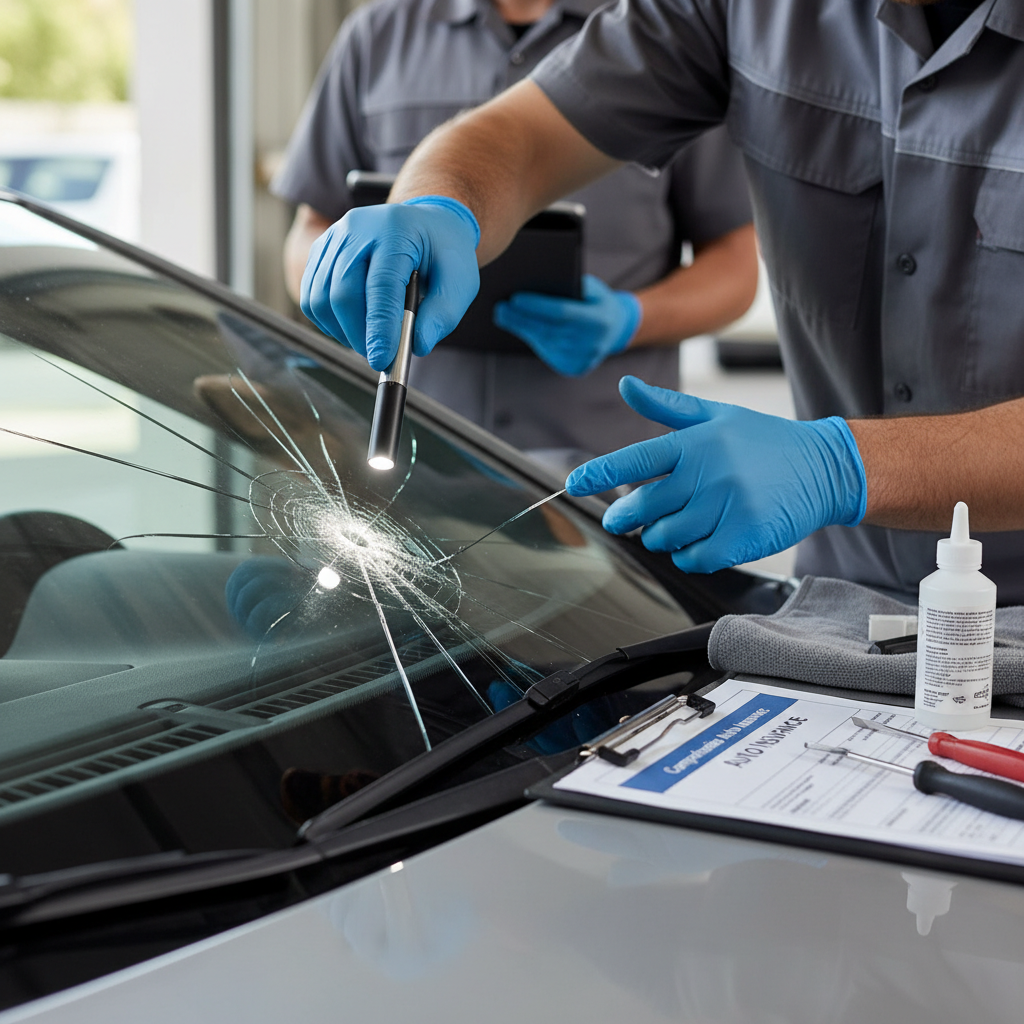
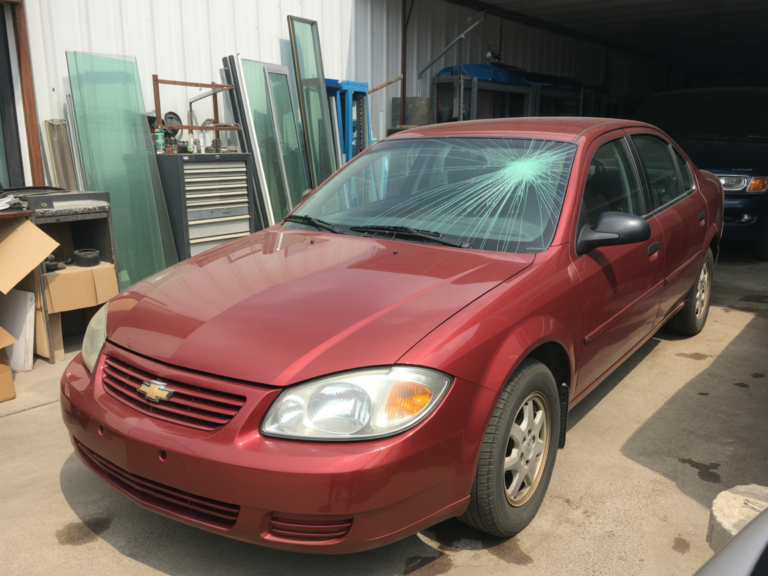
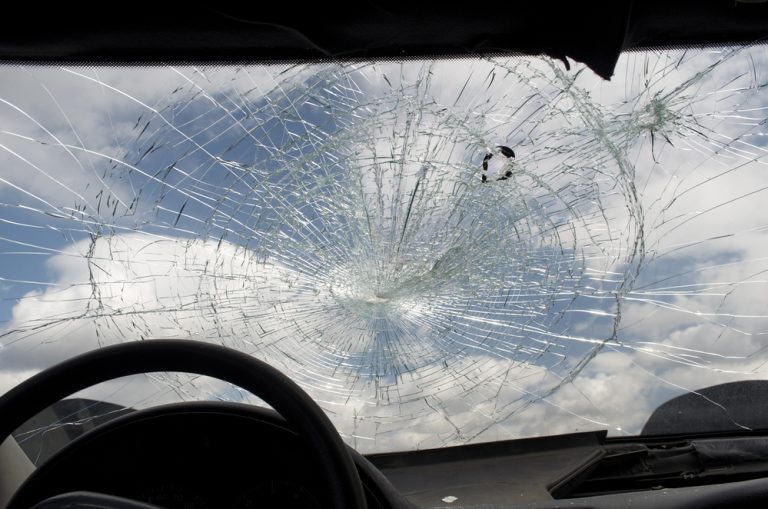
The first moments after a rock hits your windshield are crucial for preventing further damage and determining the appropriate course of action. Immediately assess whether the impact point has created a chip, star break, bullseye crack, or edge crack, as each type requires different interventions. Your primary concern should be driver visibility—if the damage obstructs your field of vision, you face an immediate safety risk that demands urgent professional attention.
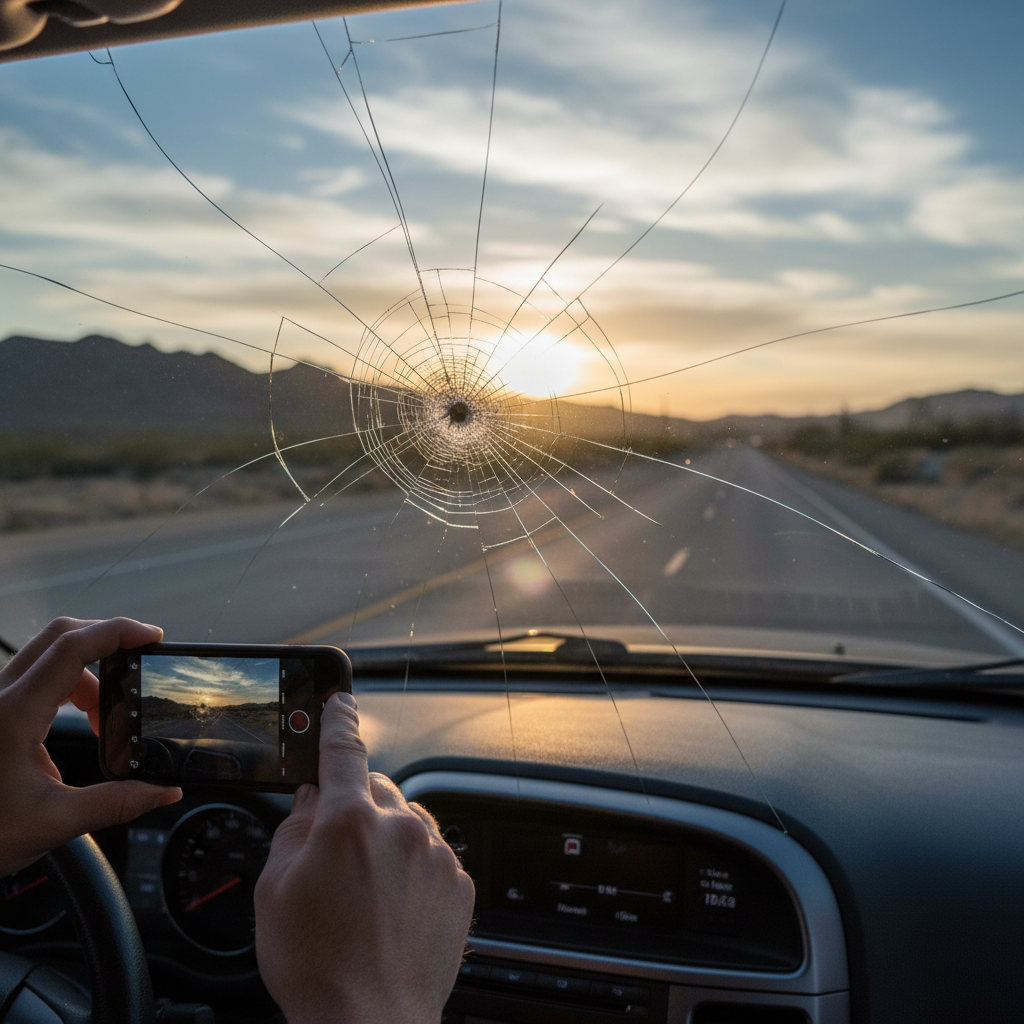
Document the damage immediately by photographing it from multiple angles, capturing the size, location, and type of damage. This photographic evidence proves invaluable when filing an insurance claim or discussing repair eligibility with a glass repair shop. Most repair technicians use a simple rule: chips smaller than a quarter and cracks shorter than three inches typically qualify for repair rather than full replacement, though location matters significantly.
How Do You Prevent Windshield Chip Damage From Spreading?
Temperature exposure represents the primary accelerator of crack expansion once your windshield sustains damage. Avoid extreme temperature changes by refraining from using air conditioning or heating directed at the windshield until professional repair occurs. Park in shaded areas when possible, as direct sunlight causes the laminated glass to expand and contract, potentially transforming a minor chip into a crack spreading across your entire windshield overnight.
Apply clear windshield tape over the damage as a temporary fix to prevent dirt and moisture infiltration while awaiting professional service. This simple damage prevention measure keeps the impact point clean for optimal resin injection later. Avoid car washes, particularly those using high-pressure water jets, and drive cautiously on rough roads to minimize vibrations that accelerate crack propagation through stress points in the glass.
Insurance Coverage Options for Windshield Repair and Replacement
Understanding your automobile insurance coverage determines whether you’ll pay out-of-pocket or file a comprehensive claim for your windshield damage. Comprehensive insurance typically covers glass damage from road debris, hail, and other non-collision incidents without requiring you to pay your standard deductible in many states. Several states, including Florida, Kentucky, and South Carolina, mandate zero deductible windshield coverage, meaning insurance companies must provide free windshield replacement or repair services.
Before scheduling repairs, contact your insurance company to verify your glass coverage specifics and determine whether filing a claim makes financial sense. If your deductible exceeds the repair cost—typically between $50 and $150 for chip repair—paying directly may prove more economical. Comprehensive claims generally don’t affect your insurance rates since they’re considered no-fault incidents, though policies vary by carrier and state regulations.
Should You File an Insurance Claim for Minor Windshield Damage?
The decision to file a windshield insurance claim depends on several factors including your deductible amount, damage severity, and state-specific coverage laws. Many insurers waive the deductible entirely for windshield chip repair, recognizing that prompt repair prevents costly replacement later. Review your policy documents or speak with a claim adjuster to understand your coverage options before making decisions that could impact your insurance history.
Consider the long-term implications of your choice: a small rock chip in the windshield that receives immediate professional attention costs significantly less than the $200 to $500 average replacement cost. Some insurance providers partner with specific glass repair services like Safelite to offer same day repair with streamlined claim processing. Document all communications with your insurance company and obtain written estimates from certified repair facilities to ensure transparent claim processing.
Professional Windshield Repair Process Restores Structural Integrity
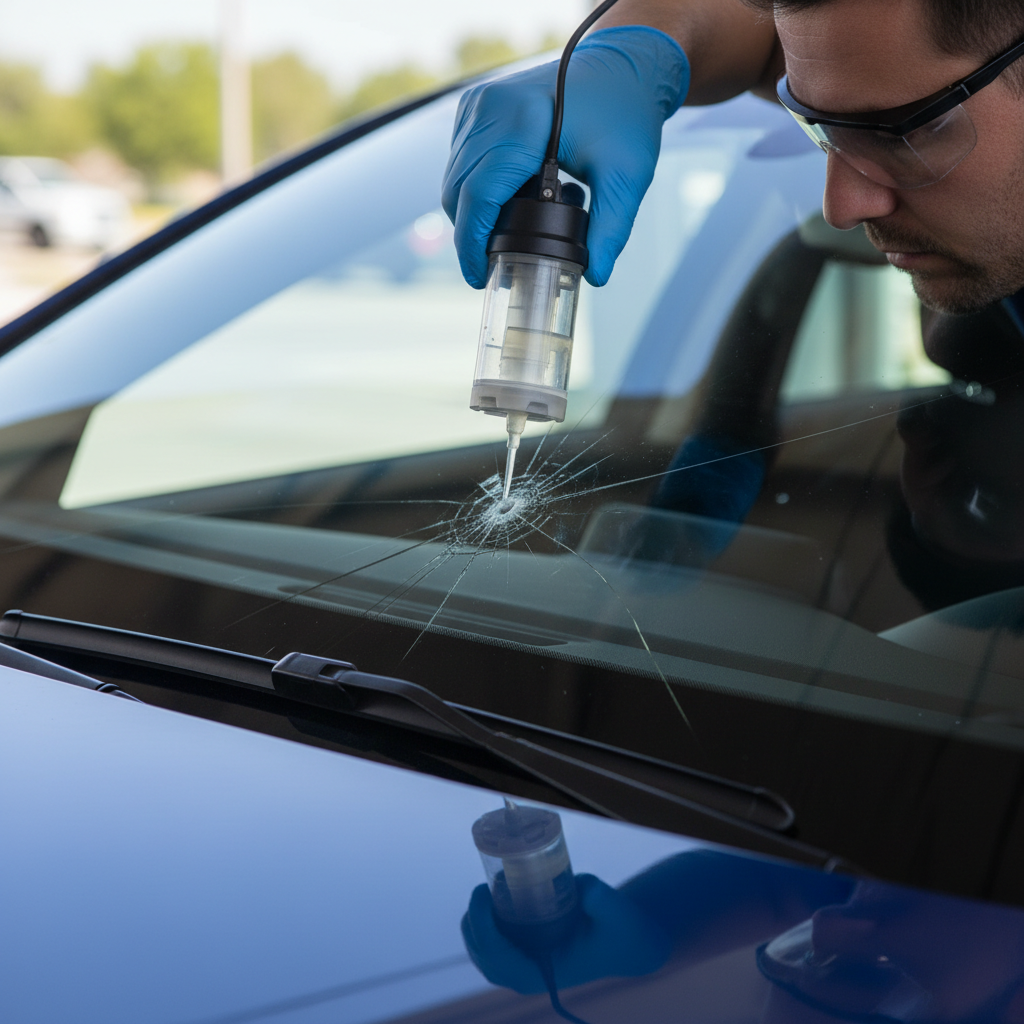
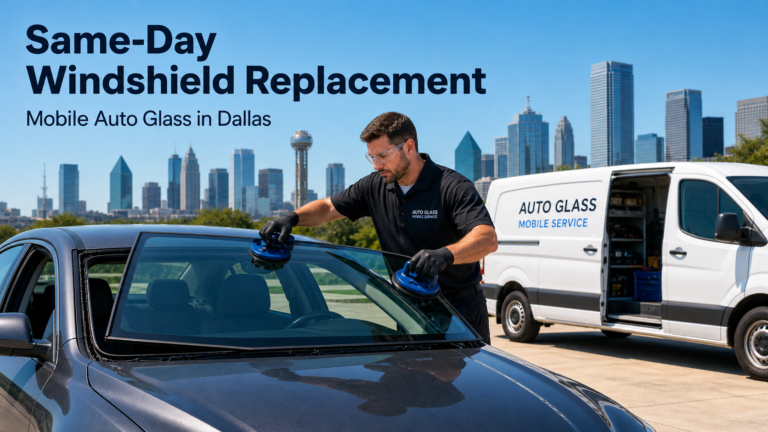
Professional chip repair involves injecting specialized resin into the damaged area under vacuum pressure, displacing air and moisture while bonding the laminated glass layers together. The repair technician carefully cleans the impact point, positions a specialized bridge tool over the damage, and injects UV-cured epoxy that restores up to 95% of the windshield’s original strength. This process typically requires only 30 minutes and can be performed as mobile glass repair at your location for maximum convenience.
The resin fills microscopic fractures within the polyvinyl butyral layer—the plastic interlayer between glass sheets that provides structural integrity and prevents complete shattering. After injecting the adhesive, technicians expose the repair to UV light for proper curing, then polish the surface to restore optical clarity. Quality repairs performed by certified specialists virtually eliminate visibility obstruction and prevent future crack spreading from the damaged area.
When Does Windshield Damage Require Complete Replacement?
Windshield replacement becomes necessary when damage exceeds repair eligibility parameters or compromises essential safety functions. Cracks longer than six inches, damage within the driver’s direct line of sight, edge cracks extending to the windshield border, or multiple impact points typically necessitate full replacement. Any damage penetrating through both glass layers or affecting the windshield’s structural support to the vehicle frame demands immediate replacement for occupant safety.
The replacement process involves removing the damaged windshield, preparing the frame with urethane adhesive, and installing new OEM glass or aftermarket glass according to strict Department of Transportation specifications. Modern vehicles equipped with ADAS—Advanced Driver Assistance Systems—require calibration after windshield replacement to ensure cameras and sensors function correctly. Professional installation requires adequate curing time, typically one to three hours before safe driving, to ensure proper adhesive bonding and waterproof sealing.
Repair Versus Replacement Cost Comparison and Timeline
| Service Type | Average Cost | Time Required | Insurance Coverage |
|---|---|---|---|
| Chip Repair | $50-$150 | 30-60 minutes | Often deductible-free |
| Crack Repair | $60-$200 | 30-90 minutes | Comprehensive coverage typical |
| Standard Replacement | $200-$500 | 2-4 hours (plus curing) | Subject to deductible |
| Replacement with ADAS Calibration | $400-$1,000 | 4-6 hours | Subject to deductible |
How Much Does Windshield Repair Cost Without Insurance Coverage?
Out-of-pocket windshield repair costs vary based on damage type, geographic location, and service provider selection. Standard rock chip repair typically ranges from $50 to $150, while crack repair can cost between $60 and $200 depending on length and complexity. These repair costs represent significant savings compared to replacement, which averages $300 to $500 for standard vehicles and can exceed $1,000 for luxury vehicles requiring OEM glass specifications.
Mobile service providers often charge premium fees for convenience but eliminate transportation concerns and workplace disruption. Many glass repair shops offer service warranties or lifetime guarantees against repair failure, providing additional value beyond initial cost considerations. When comparing quotes, verify whether estimates include necessary materials such as specialized resin, proper UV light curing equipment, and post-repair quality inspection to ensure transparent pricing.
Selecting Qualified Glass Repair Services and Technicians
Choosing a reputable glass repair shop or collision center directly impacts repair quality, safety outcomes, and long-term satisfaction. Seek certified repair technicians who have completed formal training programs and hold credentials from industry organizations demonstrating expertise in modern auto glass repair techniques. Verify that your chosen provider uses high-quality materials including OEM-equivalent resin and adhesive products that meet or exceed automobile manufacturer specifications.
Research customer reviews, request references, and confirm that the shop carries appropriate liability insurance protecting you from potential installation errors. Many established providers like Safelite offer mobile glass repair services, bringing professional expertise directly to your location for maximum convenience. Inquire about service warranties—reputable shops typically guarantee their work against defects and repair failure, demonstrating confidence in their craftsmanship and materials quality.
What Questions Should You Ask Before Choosing a Windshield Repair Shop?
Before committing to a glass specialist, ask about their experience with your specific vehicle make and model, particularly if it features advanced technology requiring post-replacement calibration. Confirm whether they work directly with your insurance company to streamline claim processing and whether they can provide same day repair for urgent damage situations. Understanding their process for ensuring proper adhesive bonding and adequate curing time helps you evaluate their commitment to safety standards.
Request detailed information about glass quality options, particularly the difference between OEM glass manufactured by your vehicle’s original supplier and aftermarket glass from third-party manufacturers. Inquire about their installation process timeline, what warranty coverage accompanies their service, and whether they perform DMV-compliant safety inspections post-installation. These questions reveal the provider’s professionalism and help you make informed decisions about entrusting them with critical safety equipment.
Legal and Safety Considerations for Driving With Windshield Damage
Operating a vehicle with significant windshield damage may violate state vehicle codes and result in citations during traffic stops or failed safety inspections. Most jurisdictions prohibit driving when cracks obstruct the driver’s field of vision or when damage compromises the windshield’s structural integrity. Law enforcement officers can issue citations for visibility obstructions, and many states require windshield damage repair before vehicle registration renewal through DMV safety inspection processes.
Beyond legal concerns, damaged windshields present genuine driving hazards that endanger all vehicle occupants. The front windshield provides approximately 30% of a vehicle’s structural strength during rollover accidents and ensures proper airbag deployment during frontal collisions. Even minor chips can suddenly expand into extensive cracks when subjected to road vibrations, temperature changes, or additional impact, potentially causing catastrophic failure while driving at highway speeds.
Is It Safe to Drive With a Cracked Windshield?
Short-distance driving with minor damage may be permissible in emergency situations, but extended operation with compromised windshield integrity poses unacceptable safety risks. Small chips located outside the driver’s primary sight line present minimal immediate hazard, though they require prompt professional attention to prevent crack spreading. However, any crack exceeding six inches, multiple damage points, or impairment to driver visibility constitutes an immediate safety concern requiring professional repair before further vehicle operation.
Consider that tempered glass side windows shatter into small pieces during impact, but the laminated glass windshield must remain intact to protect occupants from ejection during accidents. Damaged windshields lose this critical safety function, potentially failing catastrophically when subjected to collision forces. Schedule immediate inspection and repair through qualified professionals rather than risking personal safety and potential liability for accidents caused by visual impairment or structural failure.
Prevention Strategies to Minimize Future Windshield Damage Risk
Proactive defensive driving techniques significantly reduce the likelihood of experiencing rock chips and other windshield damage. Maintain safe following distance—at least three seconds behind vehicles ahead, increasing to five seconds when driving behind commercial trucks or vehicles carrying unsecured loads. This spacing provides adequate reaction time and reduces exposure to road debris kicked up by other vehicles, particularly gravel trucks that frequently shed stone materials.
Avoid driving directly behind large trucks on highways when possible, as their oversized tires can launch debris at considerable velocity. When overtaking such vehicles, complete the maneuver quickly to minimize exposure time in the danger zone. Regular windshield wiper replacement and proper maintenance ensure optimal visibility during adverse weather, while periodic inspection of your windshield for minor damage allows early intervention before small chips develop into replacement-requiring cracks.
How Can You Protect Your Windshield From Road Debris?
Consider applying protective film products specifically designed for automotive glass, which provide an additional barrier against impact damage while maintaining optical clarity. These transparent films absorb impact energy from small projectiles, potentially preventing chips that would otherwise occur. While not foolproof protection, they offer cost-effective insurance against the most common types of minor windshield damage encountered during regular driving.
Adjust your driving routes when practical to avoid construction zones, unpaved roads, and areas with loose gravel where debris hazards increase substantially. During winter months when road treatments include sand and chemical applications, increase following distances further to account for the elevated debris environment. These simple behavioral modifications, combined with prompt attention to any damage that does occur, preserve your windshield’s longevity and maintain optimal vehicle safety standards.
Frequently Asked Questions
Can a small rock chip be repaired or does it always require replacement?
Most rock chips smaller than a quarter in diameter can be successfully repaired using resin injection techniques that restore structural integrity and prevent crack spreading. Repair eligibility depends on the chip’s size, location, and depth—damage outside the driver’s direct line of sight and not penetrating both glass layers typically qualifies for repair. Professional assessment by a certified technician determines whether your specific damage meets repair criteria or requires full windshield replacement.
Will my insurance rates increase if I file a claim for windshield damage?
Comprehensive insurance claims for windshield damage typically do not increase your insurance rates because they are classified as no-fault incidents resulting from road debris or environmental factors beyond your control. However, policy specifics vary by insurance carrier and state regulations, so reviewing your policy documents or consulting your insurance agent provides definitive answers for your situation. Many insurers actively encourage windshield repair claims by waiving deductibles, recognizing that prompt repair prevents more expensive replacement costs later.
How long does professional windshield repair take?
Standard chip repair typically requires 30 to 60 minutes from start to finish, including preparation, resin injection, UV curing, and final polishing. Crack repair may extend to 90 minutes depending on damage complexity and length. Complete windshield replacement requires two to four hours for removal, installation, and initial adhesive bonding, plus additional curing time—typically one to three hours—before the vehicle can be safely driven. Vehicles equipped with ADAS systems require calibration after replacement, potentially extending total service time to four to six hours.
What is the difference between OEM and aftermarket windshield glass?
OEM glass is manufactured by the same company that produced your vehicle’s original windshield, meeting exact specifications for thickness, tint, and optical quality established by the automobile manufacturer. Aftermarket glass comes from third-party manufacturers and while it must meet Department of Transportation safety standards, it may vary slightly in fit, optical clarity, or features like acoustic dampening. OEM glass typically costs more but ensures perfect compatibility, while quality aftermarket options provide cost-effective alternatives that meet all safety requirements for most drivers.
How do you stop a windshield crack from spreading before professional repair?
Apply clear windshield tape over the damaged area to prevent moisture and debris infiltration while protecting against crack propagation. Avoid temperature extremes by parking in shaded areas and refraining from using heating or air conditioning directed at the windshield. Drive carefully on smooth roads to minimize vibrations, and schedule professional repair as quickly as possible—ideally within 24 to 48 hours—since temperature fluctuations and road stress can transform minor damage into extensive cracks requiring full replacement rather than simple repair.
Does comprehensive insurance always cover windshield damage?
Comprehensive insurance coverage typically includes windshield damage from road debris, falling objects, and environmental causes, though specific policy terms vary by insurance carrier and state regulations. Several states mandate zero deductible glass coverage, while others allow insurers to apply your standard comprehensive deductible to windshield claims. Review your policy declarations page or contact your insurance company directly to understand your exact coverage, deductible requirements, and any partnerships with preferred glass repair providers that may offer additional benefits or streamlined claim processing.