Dallas Auto Glass Heater Fan Cracked Windshield What To Do
A heater fan can crack your windshield within minutes when cold glass meets hot air too quickly. This guide walks you through the immediate response, documentation, and repair process for thermal stress windshield damage in Dallas, Texas. Completion time: 24-72 hours from crack discovery to professional repair. Skill level: Beginner-friendly with no special tools required.
Understanding How Heater Fans Crack Windshields
Windshield thermal stress cracking occurs when rapid temperature differential creates unequal expansion across the glass surface. According to the National Glass Association (2024), directing hot air onto cold windshield glass can create temperature differences exceeding 100°F within seconds, causing immediate fracture lines. Dallas experiences 20-40 freezing nights annually (National Weather Service, 2023), creating prime conditions for heater-induced windshield damage during winter months.
The windshield consists of two glass layers bonded with polyvinyl butyral (PVB) interlayer. When the interior glass surface heats rapidly while the exterior remains cold, the interior layer expands faster than the exterior layer. This differential expansion creates tensile stress that exceeds the glass breaking point of approximately 10,000 pounds per square inch (PSI). The crack typically originates at existing chips or edge defects where stress concentration is highest.
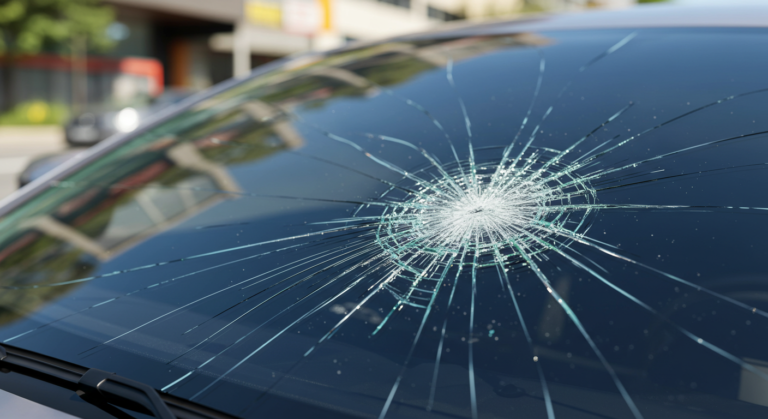
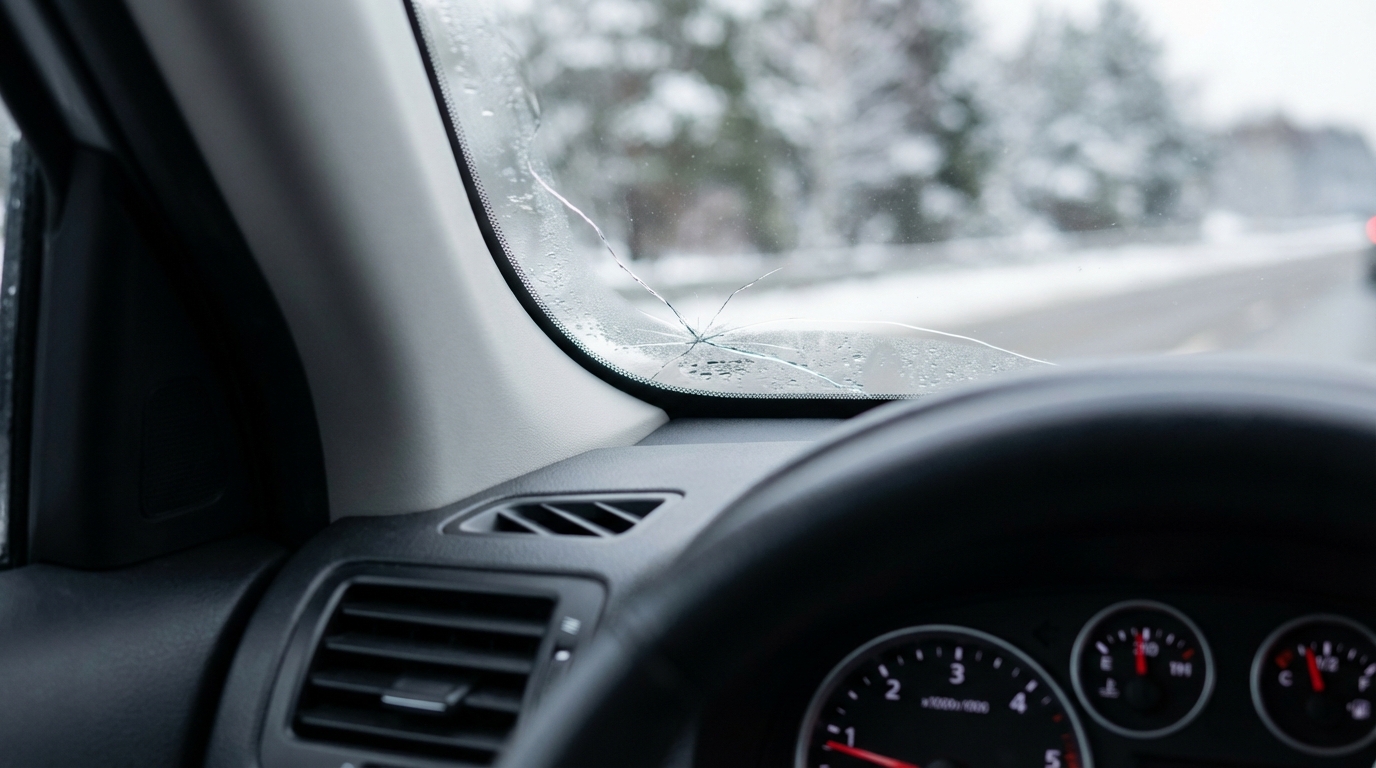
Unlike impact damage, thermal cracks follow predictable patterns. Heater-induced cracks usually start horizontally at the windshield bottom edge where defrost vents direct concentrated hot air. These cracks propagate upward in straight or gently curving lines, often spanning 6-12 inches within the first hour.
Before You Begin: Prerequisites
- Smartphone camera for documentation
- Vehicle registration and insurance information
- Transparent tape (optional, for temporary stabilization)
- Safe parking location away from traffic
- Dallas auto glass repair service contact information
- Time requirement: 2-3 hours for initial response and scheduling
Step-by-Step Response Guide

Step 1: Immediately Turn Off the Heater and Defroster
Stop all hot air flow to the windshield within 10 seconds of noticing the crack. Switch off the defrost setting completely and move the temperature dial to cold or ambient settings. According to Glass Magazine (2024), continuing hot air exposure can extend crack length by 2-4 inches per minute. Open windows slightly to equalize cabin temperature with exterior conditions, preventing further thermal stress.
Do not attempt to reverse the process by blasting cold air. Rapid cooling creates the same stress differential problem in reverse and may cause secondary cracking.
Step 2: Safely Exit Traffic and Park
Find a safe parking location within 0.5 miles if driving. Use hazard lights if crack obstructs driver vision. Texas Transportation Code §547.613 (2024) requires clear driver visibility through windshield, making continued operation potentially illegal if the crack impairs line of sight. Pull into a well-lit parking lot or side street away from moving traffic.
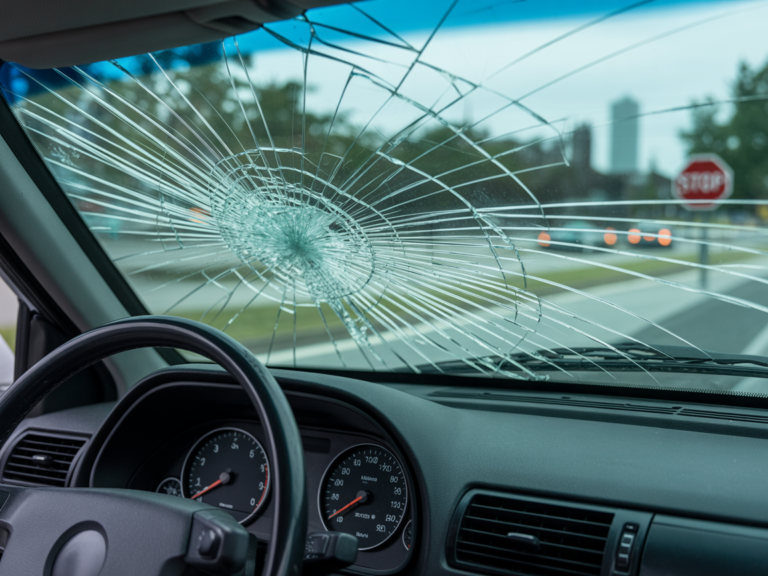
Assess whether the vehicle is drivable. Cracks smaller than 12 inches that do not obstruct the driver’s direct line of sight typically allow safe operation to reach a repair facility. Cracks exceeding 14 inches or located in the driver’s primary vision zone (8-inch radius from steering wheel centerline) require towing services.
Step 3: Document the Damage Immediately
Photograph the crack from multiple angles within 15 minutes of occurrence. Take close-up photos showing crack origin point, full-length photos capturing entire windshield, and exterior photos showing weather conditions. Include time-stamped images showing interior heater controls in the “on” position if safe to do so. These photos establish causation for insurance claims.
Measure and record crack length using a ruler or tape measure. Note the exact time of occurrence, outside temperature (use weather app), and any relevant circumstances. According to State Farm Insurance (2024), thermal stress claims require documentation showing plausible temperature differential and timeline.
Step 4: Apply Temporary Stabilization (Optional)
Place clear packing tape along both sides of the crack to prevent dirt infiltration and minor spreading. Apply tape strips every 2-3 inches along the crack length, avoiding obstruction of driver visibility. This temporary measure prevents moisture and debris from entering the crack, which can complicate professional repair.
Do not use super glue, epoxy, or permanent adhesives. Professional repair requires clean crack surfaces, and contamination from improper sealants can render the windshield unrepairable, forcing complete replacement.
Step 5: Contact Your Insurance Provider
Call your auto insurance company within 24 hours to report the damage. Texas comprehensive coverage typically includes glass damage with potential zero-deductible provisions under Texas Insurance Code §5.06-3 (2024). Provide your documentation, explain thermal stress causation, and request approved Dallas-area auto glass repair facilities.
Ask specifically about “full glass coverage” provisions. According to the Texas Department of Insurance (2024), many policies include separate glass coverage that waives the standard comprehensive deductible for windshield repair or replacement. Obtain claim number and adjuster contact information for repair authorization.
Step 6: Schedule Professional Repair Within 48 Hours
Contact Dallas auto glass specialists who offer mobile or shop-based services. Cracks shorter than 6 inches may qualify for resin injection repair (cost: $100-150, duration: 45-60 minutes). Cracks exceeding 6 inches or located in driver vision zone require full windshield replacement (cost: $250-450, duration: 2-3 hours).
According to the Auto Glass Safety Council (2024), windshield repairs must occur within 72 hours to prevent crack propagation that makes repair impossible. Temperature fluctuations, road vibration, and vehicle flexing cause thermal cracks to extend 1-3 inches daily until professionally addressed.
Request OEM (Original Equipment Manufacturer) glass rather than aftermarket alternatives. OEM glass matches factory specifications for thickness, tint, and sensor compatibility, which is critical for vehicles with advanced driver assistance systems (ADAS).
Step 7: Arrange ADAS Recalibration if Applicable
Vehicles manufactured after 2018 typically include forward-facing cameras or sensors mounted behind the windshield for lane departure warnings, automatic emergency braking, or adaptive cruise control. According to the National Highway Traffic Safety Administration (2024), windshield replacement requires recalibration of these systems to maintain proper functionality.
Confirm that your glass repair service includes static or dynamic ADAS recalibration. Static recalibration occurs in-shop using specialized targets and costs $150-250 additional. Dynamic recalibration requires on-road driving and typically costs $75-150. Insurance often covers recalibration when covered under comprehensive claims.
Troubleshooting Common Scenarios
If the crack extends during driving: Immediately reduce speed to 45 mph or below, turn on hazard lights, and exit at the nearest safe location. Increased airflow and vehicle vibration accelerate crack propagation. Do not continue long-distance travel.
If insurance denies the claim: Request written denial explanation and appeal if thermal stress causation is clearly documented. Texas Insurance Code allows 15 days for appeal submissions. Consider paying out-of-pocket to prevent further damage and maintain vehicle safety compliance.
If mobile service is unavailable: Drive during moderate temperature conditions (50-70°F) to minimize thermal stress during transport to repair facility. Avoid early morning or late evening driving when temperature differentials are greatest.
If crack originates from existing chip: This indicates pre-existing damage that concentrated thermal stress. Document chip location and explain to insurance adjuster that delayed chip repair allowed heater-induced expansion. Many insurers still cover thermal stress extension of pre-existing minor damage.
Prevention Best Practices for Dallas Winters
Prevent heater-induced windshield cracking by following gradual warming protocols during Dallas freezing conditions. Start your vehicle and set heater to low or medium setting for 5-7 minutes before increasing to high. Direct defrost vents toward dashboard rather than windshield during initial warm-up (National Weather Service, 2024).
Repair windshield chips immediately when they occur. Chips smaller than a quarter qualify for $50-75 resin injection repair that prevents thermal stress concentration. According to the Glass Association of North America (2024), 85% of thermal cracks originate at unrepaired chips or edge defects.
Park in covered or shaded areas during winter months when possible. Reduced overnight temperature exposure minimizes morning glass temperature and decreases thermal differential when activating heaters.
Next Steps and Professional Resources
After completing immediate response steps, schedule professional inspection even if the crack appears stable. Hidden microfractures may exist that spread unpredictably without visible warning signs.
Dallas-area resources include certified auto glass specialists offering mobile services throughout Dallas-Fort Worth metroplex. Look for providers certified by the Auto Glass Safety Council (AGSC) or National Glass Association (NGA), ensuring compliance with Federal Motor Vehicle Safety Standard 212 for windshield installation.
If insurance coverage is unavailable, many Dallas auto glass companies offer payment plans for windshield replacement, with monthly installments ranging from $50-100 over 3-6 months. Some providers waive service fees for insurance-covered repairs, reducing out-of-pocket costs to deductible amounts only.
Consider upgrading to heated windshield systems during replacement if budget allows. Heated windshields include embedded heating elements that eliminate thermal stress risk by pre-warming glass before cabin heating begins. Cost premium: $400-600 above standard replacement.
Frequently Asked Questions
Can I drive with a heater-cracked windshield? Yes, if the crack is under 12 inches and outside the driver’s direct vision zone. Texas law requires unobstructed driver visibility, making operation illegal if cracks impair sight lines.
Does comprehensive insurance cover thermal stress cracks? According to the Insurance Information Institute (2024), comprehensive coverage typically includes thermal stress damage as environmental windshield failure, often with zero-deductible glass provisions in Texas policies.
How quickly do thermal cracks spread? Thermal stress cracks extend 1-3 inches daily due to temperature cycling, vehicle vibration, and continued stress on compromised glass structure.
Will repair be as strong as original glass? Resin injection repairs restore 90-95% of original strength for cracks under 6 inches. Full replacement restores 100% structural integrity using OEM specifications.