What to Do When a Rock Hits Your Windshield: Professional Windshield Damage Assessment Guide
The sound of a stone chip hitting your windshield while driving can be jarring and immediately concerning. Understanding what to do when a rock hits your windshield makes the difference between a simple repair and costly replacement. Every driver will eventually encounter road debris, gravel, or a pebble kicked up by another vehicle, making this knowledge essential for vehicle maintenance and safety.
Quick answer: If a rock hits your windshield, pull over safely, document the damage with photos, cover small chips with clear tape to keep out moisture and dirt, avoid extreme temperature changes like high defrost, and get it professionally repaired within 24-48 hours — most chip repairs take 30-60 minutes and cost $50-$150.
Key Facts:
- Clear tape over a small chip helps prevent moisture and dirt from causing crack expansion until professional repair.
- Industry standards generally allow repair of chips smaller than a quarter and cracks shorter than three inches; edge cracks typically require replacement.
- Professional resin injection and UV curing repairs restore about 90% of the windshield’s original strength and typically take 30-45 minutes.
- Comprehensive insurance often covers rock chip damage, and many policies waive the deductible specifically for repairs versus replacement.
- Vehicles with ADAS features require camera and sensor recalibration after windshield replacement (not required after a repair).
Windshield damage from rock impact represents one of the most common automotive glass issues facing motorists today. The National Highway Traffic Safety Administration reports millions of windshield damage incidents annually, with many drivers uncertain about proper procedures following impact. This comprehensive guide provides authoritative information regarding immediate actions, repair versus replacement decisions, insurance considerations, and professional service options to ensure driver visibility and vehicle safety remain uncompromised.
Immediate Actions Following Rock Impact Damage

The moments immediately after a rock hits your windshield determine whether minor damage remains manageable or develops into significant structural problems. Prompt attention to windshield chip repair prevents the damage from spreading into extensive cracks requiring complete glass replacement. Time-sensitive response protects both your vehicle investment and ensures continued compliance with DOT regulations regarding safe driver visibility.
When road hazard damage occurs, assess the impact point carefully while maintaining safe vehicle operation. Pull over when conditions permit to examine the extent of damage without compromising traffic safety. Document the incident with photographs showing the chip size, location relative to the dashboard, and surrounding conditions that may have contributed to the stone chip occurrence.
How Should You Protect the Damaged Area Immediately?
Temporary windshield protection prevents environmental contamination and crack expansion during the period before professional repair. Clear tape application over small chips keeps moisture, dirt, and debris from penetrating the laminated glass layers. This temporary windshield fix maintains damage integrity until a certified glass technician can perform permanent repair using specialized resin and UV curing processes.
Temperature extremes accelerate windshield crack spreading, making environmental protection crucial for damage preservation. Avoid using defrost settings at high temperatures or directing air conditioning vents toward the damaged area. Rapid temperature change creates thermal stress that transforms minor surface pits into edge cracks or stress cracks extending across your entire windshield, substantially increasing auto glass replacement cost.
Windshield Damage Assessment and Crack Types

Understanding different crack classifications enables informed decisions regarding repair versus replacement options. Professional glass specialists categorize damage based on size, location, and pattern characteristics that determine repairability. The distinction between repairable chips and replacement-requiring cracks significantly impacts out of pocket cost and repair time windshield services require.
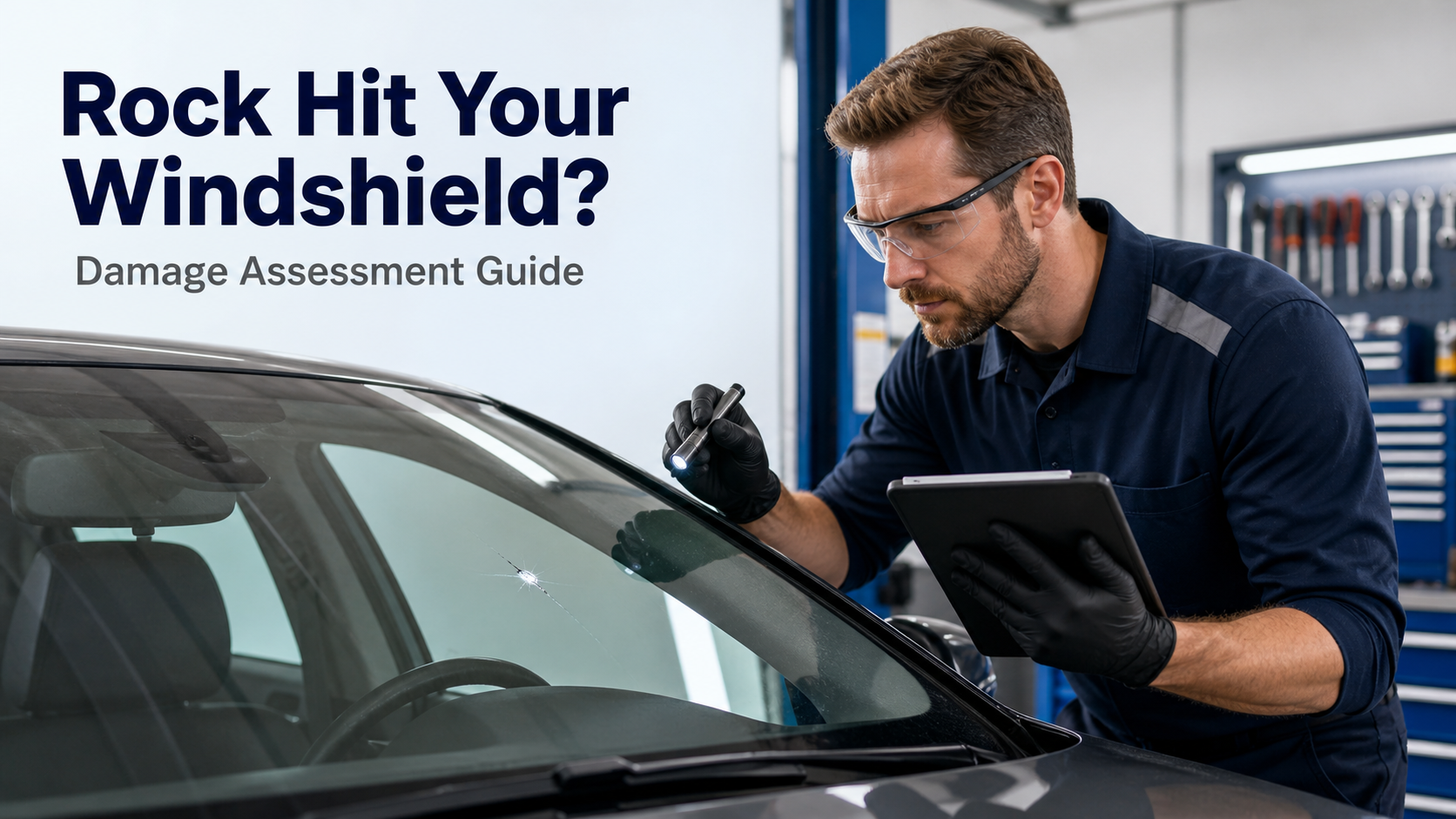
Damage evaluation considers multiple factors beyond visible appearance, including structural integrity, optical distortion potential, and proximity to windshield edges. Glass damage documentation should note whether the impact point falls within the driver’s direct line of sight, as visibility impairment represents both a safety hazard and potential vehicle inspection failure. Comprehensive windshield inspection by qualified repair technicians ensures accurate damage classification and appropriate service recommendations.
What Are the Most Common Types of Windshield Cracks?
Rock chip windshield damage manifests in distinct patterns, each with specific repair considerations. A bull’s eye crack features circular damage resembling a target pattern, while star breaks radiate outward from the impact point in multiple directions. Combination breaks merge characteristics of both patterns, creating complex fractures requiring specialized resin injection techniques for effective repair bonding.
Floater cracks appear in the windshield’s central area, typically beginning as small chips before spreading due to vibration damage or pressure changes. Edge cracks originate within two inches of the windshield perimeter, often requiring immediate replacement due to compromised structural support. Stress cracks develop without visible impact points, resulting from manufacturing defects or extreme temperature fluctuations that weaken the laminated glass over time.
Insurance Coverage for Windshield Rock Damage Claims
Comprehensive auto insurance typically covers rock damage to windshields, though policy specifics vary considerably among insurance companies. Many policies include glass coverage provisions that waive deductibles for windshield chip repair, recognizing that preventive maintenance costs less than full replacement services. Understanding your policy coverage before filing an auto glass claim prevents unexpected expenses and streamlines the insurance claim windshield process.
Contact your insurance company promptly after discovering windshield damage to verify comprehensive coverage applicability. Claim adjusters evaluate whether the damage qualifies as road debris incident or pre-existing condition, determining approval and payment responsibility. Some states mandate zero deductible glass coverage, providing no deductible glass repair services regardless of chip size or crack length, making professional service financially accessible.
Does Comprehensive Insurance Cover All Windshield Repair Costs?
Full coverage policies generally include windshield damage under comprehensive provisions, covering repairs without deductible application in many instances. Insurance deductible waiver programs for automotive glass service encourage prompt repair, preventing minor chips from developing into cracks requiring expensive replacement. However, policy limits may apply to glass replacement warranty coverage or specify approved glass specialists for claim processing.
Review your policy documentation regarding OEM versus aftermarket glass specifications, as some insurance companies default to aftermarket windshield options unless OEM glass is specifically required. The distinction affects both claim approval amounts and long-term windshield integrity. Premium policies may include provisions for same day windshield repair or mobile glass service, enhancing convenience while maintaining coverage benefits throughout the insurance claim process.
Windshield Repair Process and Professional Glass Service
Professional windshield chip fill procedures utilize advanced resin injection technology and UV curing repair methods to restore structural integrity. Certified glass technicians clean the damaged area thoroughly, removing contaminants that could compromise adhesive bonding between glass layers. The repair technician then injects specialized epoxy formulated to match the windshield’s optical properties, preventing visibility impairment or distortion following treatment.
UV light application cures the windshield repair resin, creating permanent bonds that prevent crack expansion and restore approximately 90% of the original windshield’s strength. The entire windshield repair process typically requires 30-45 minutes for single chip repairs, with mobile repair service options bringing professional equipment directly to your location. This convenience eliminates downtime while ensuring repair quality meets industry standards for safety and durability.
How Long Does Professional Windshield Repair Take for Rock Chips?
Standard rock chip repair duration ranges from 30 minutes to one hour depending on damage complexity and the number of impact points requiring treatment. Simple repairs involving single chips with minimal spreading complete quickly, while combination breaks or multiple damage locations extend service time. Mobile windshield repair services match dealership or auto body shop quality while providing location flexibility that accommodates demanding schedules.
Glass repair quality depends on prompt treatment before environmental contamination compromises the damage site. Delays allow moisture intrusion, dirt accumulation, and air leak development that complicate resin penetration and bonding effectiveness. Services like Safelite and independent glass specialists offer emergency glass repair for urgent situations where immediate attention prevents minor damage from escalating into safety concerns requiring complete windshield replacement.
Glass Replacement Versus Repair Decision Factors
Determining whether windshield damage requires repair or replacement depends on multiple technical considerations beyond simple size measurements. Industry standards generally permit repair of chips smaller than a quarter and cracks shorter than three inches, though location significantly influences this guideline. Damage within the driver’s direct sight line or extending to windshield edges typically necessitates complete glass replacement regardless of size.
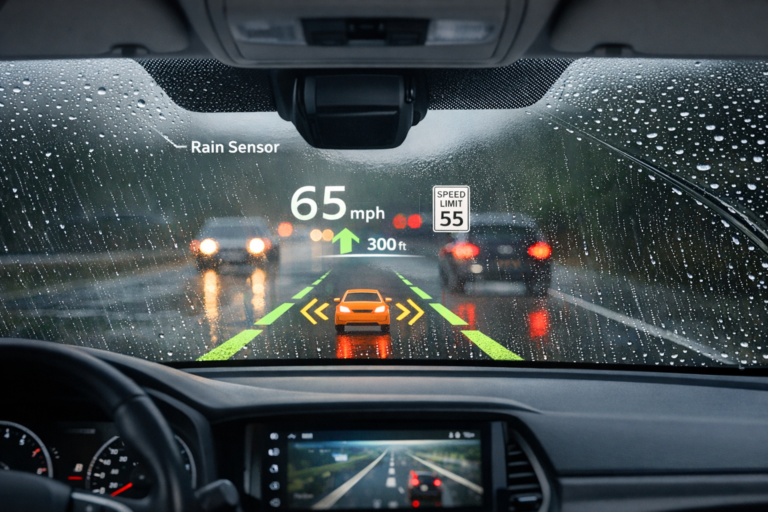
Structural weakness considerations override size limitations when damage compromises the windshield’s role in vehicle safety systems. Modern vehicles incorporate ADAS camera systems, rain sensors, and other technologies integrated into windshield assemblies, making proper calibration essential following replacement. The decision to repair or replace windshield components must account for these advanced features to ensure continued functionality and compliance with manufacturer specifications.
When Is Windshield Replacement Required Instead of Repair?
Complete windshield replacement becomes necessary when damage exceeds repairable parameters or threatens vehicle structural integrity. Cracks longer than three inches, damage penetrating both laminated glass layers, or multiple chips concentrated in specific areas require replacement to maintain safety standards. Additionally, damage impairing driver visibility regardless of size mandates replacement to prevent accidents and ensure DOT regulations compliance.
Edge crack development compromises the windshield’s contribution to vehicle frame strength, particularly during rollover protection scenarios. Glass fractures extending to windshield perimeters weaken adhesive bonding between glass and frame, creating potential separation risks during collisions. Professional assessment by qualified glass specialists provides authoritative recommendations balancing safety requirements, cost considerations, and long-term vehicle integrity preservation.
Advanced Driver Assistance System Calibration After Windshield Service
Modern vehicles equipped with ADAS technology require precise windshield calibration following replacement to ensure camera system accuracy. Lane departure warnings, collision avoidance systems, and automatic emergency braking depend on properly aligned sensors integrated within windshield assemblies. Failure to perform calibration after glass replacement creates safety hazards through system malfunctions or inaccurate hazard detection.
OEM windshield glass incorporates specific optical properties and sensor mounting specifications designed for original equipment compatibility. Aftermarket windshield options may require additional calibration procedures or offer reduced sensor performance compared to manufacturer specifications. Discuss ADAS requirements with your glass installer before replacement to ensure appropriate glass selection and post-installation calibration scheduling.
Why Is ADAS Calibration Necessary After Windshield Replacement?
Camera systems mounted behind windshields require precise angular positioning to function correctly, with even millimeter variations causing system errors. Windshield replacement inevitably alters these precise alignments, necessitating recalibration using manufacturer-specific equipment and procedures. Without proper calibration, advanced safety features may provide false warnings, fail to detect genuine hazards, or operate erratically, compromising vehicle safety.
Calibration costs add to overall windshield replacement expenses but remain essential for vehicle safety system integrity. Some mobile glass services include calibration capabilities, while others require dealership visits for proper system initialization. Budget estimates should incorporate these additional expenses when comparing repair versus replacement options, ensuring complete cost understanding before authorizing windshield service.
Preventing Future Windshield Damage From Road Debris
Proactive driving habits significantly reduce windshield damage risk from flying debris, gravel trucks, and construction zone hazards. Maintaining appropriate following distances behind vehicles, particularly trucks carrying loose materials, minimizes rock strike probability. Highway debris becomes less hazardous when drivers allow adequate space for debris to settle rather than traveling directly through airborne particle paths.
Windshield protection film applications provide additional defense against stone chips and surface pitting, though these aftermarket products require professional installation for optimal performance. Regular windshield wiper replacement and proper defrost usage prevent existing minor damage from developing into spreading cracks. Avoiding gravel roads when practical and reducing speed in construction zones further decreases exposure to conditions causing windshield impact damage.
Can Windshield Protection Film Prevent Rock Damage?
Specialized protective films absorb impact energy from small stones and debris, reducing chip formation on treated windshields. These transparent polyurethane layers add minimal optical distortion while providing measurable protection against everyday road hazards. However, protection films cannot prevent all damage from larger rocks or high-velocity impacts, making defensive driving practices equally important for comprehensive damage prevention.
Installation costs for windshield protection film range from several hundred dollars depending on coverage area and film quality. When combined with comprehensive insurance coverage featuring glass waivers, this preventive investment may reduce long-term windshield maintenance expenses. Evaluate cost-benefit considerations based on driving patterns, road conditions regularly encountered, and historical windshield damage frequency before investing in protection film applications.
Selecting Professional Windshield Repair Services
Choosing qualified glass repair professionals ensures service quality, warranty protection, and proper installation meeting safety standards. Certified windshield technicians complete specialized training in repair techniques, adhesive application, and modern vehicle integration requirements including ADAS calibration. Verify certification credentials and insurance coverage before authorizing windshield service to protect against liability and ensure work quality.
Compare service options including national chains, independent auto glass specialists, dealerships, and mobile repair services based on convenience, cost, and expertise. National providers like Safelite offer standardized procedures and comprehensive warranties, while local specialists may provide personalized service and competitive pricing. Dealerships guarantee OEM parts and manufacturer-specific expertise but typically charge premium rates for equivalent glass repair services.
What Should You Look for in a Glass Repair Service Provider?
Evaluate potential windshield repair providers based on certification, warranty offerings, insurance acceptance, and customer reviews documenting service experiences. Lifetime warranties on repair work indicate provider confidence in service quality and materials used. Direct insurance billing capabilities streamline claim processing and eliminate out-of-pocket payment requirements pending reimbursement.
Mobile service availability provides convenience for busy schedules while maintaining professional repair standards when providers use equivalent equipment and procedures. Request repair estimates detailing materials, labor, calibration requirements, and warranty terms before authorizing service. Transparent pricing and comprehensive damage evaluation separate reputable glass specialists from providers prioritizing sales over appropriate service recommendations.
| Damage Type | Typical Size | Repairability | Service Duration |
|---|---|---|---|
| Bull’s Eye Crack | 1 inch or smaller | Usually repairable | 30-45 minutes |
| Star Break | Under 3 inches | Often repairable | 45-60 minutes |
| Combination Break | Varies | Case-by-case basis | 60-90 minutes |
| Edge Crack | Any size | Typically requires replacement | 2-4 hours |
| Floater Crack | Under 3 inches | May be repairable | 45-60 minutes |
| Stress Crack | Varies significantly | Usually requires replacement | 2-4 hours |
| Service Consideration | Repair Option | Replacement Option |
|---|---|---|
| Average Cost | $50-$150 | $200-$600+ |
| Service Time | 30-60 minutes | 2-4 hours |
| Insurance Deductible | Often waived | Usually applies |
| ADAS Calibration | Not required | Required for equipped vehicles |
| Warranty Coverage | Lifetime on repair | 1-5 years typical |
| Mobile Service | Widely available | Available from some providers |
Frequently Asked Questions
How quickly should I repair a rock chip in my windshield?
Windshield rock chips should receive professional attention within 24-48 hours of occurrence to prevent crack spreading and contamination. Temperature fluctuations, vehicle vibration, and environmental exposure cause minor chips to develop into extensive cracks requiring complete replacement. Prompt repair maintains the highest success rates and prevents small, affordable repairs from becoming expensive replacement situations.
Will my insurance cover windshield damage from a rock without charging my deductible?
Many comprehensive insurance policies include glass coverage provisions that waive deductibles for windshield repairs, though replacement may require deductible payment. Several states mandate zero-deductible glass coverage, providing free windshield repair services when using approved glass specialists. Contact your insurance company directly to verify your specific policy provisions regarding rock damage coverage and deductible application.
Can I drive with a rock chip in my windshield safely?
Driving with small rock chips outside the driver’s direct line of sight generally presents minimal immediate safety risk, though prompt repair remains advisable. Chips located in driver visibility areas create dangerous distractions and may violate DOT regulations regarding windshield condition requirements. Any damage compromising visibility or structural integrity should receive immediate professional evaluation to determine driving safety and legal compliance.
What size rock chip can be repaired versus requiring replacement?
Industry standards permit repair of chips smaller than a quarter (approximately one inch in diameter) and cracks shorter than three inches, though location significantly affects repairability. Damage within two inches of windshield edges, in the driver’s sight line, or penetrating both glass layers typically requires replacement regardless of size. Professional glass specialists provide accurate assessments based on damage characteristics, location, and vehicle-specific considerations including ADAS integration.
Do DIY windshield repair kits work as well as professional service?
DIY windshield repair kits provide temporary solutions for minor chips but rarely achieve the structural integrity, optical clarity, or longevity of professional repairs. Professional technicians use commercial-grade resins, specialized injection equipment, and UV curing technology unavailable in consumer kits. Additionally, professional repairs include warranties and proper damage assessment ensuring appropriate service recommendations, making professional service the superior choice for permanent windshield damage resolution.
How much does professional windshield repair cost for rock chip damage?
Professional windshield chip repair costs typically range from $50 to $150 per chip depending on damage complexity, location, and service provider. Many insurance policies with comprehensive coverage completely cover repair costs without deductible application, making professional service available at no out-of-pocket expense. Mobile repair services may charge additional convenience fees, while multiple chip repairs often receive discounted pricing compared to single-chip service rates.
Understanding proper procedures following windshield rock damage protects your vehicle investment, maintains safety compliance, and prevents minor issues from escalating into expensive problems. Whether opting for mobile repair service convenience or traditional shop-based solutions, prompt professional attention ensures optimal outcomes. Evaluate your insurance coverage provisions, select certified glass technicians, and prioritize timely repair to maintain the windshield.