
How to File a Windshield Insurance Claim in Texas: Complete Auto Glass Coverage Guide
Navigating the insurance claim process for windshield damage can feel overwhelming, particularly when you’re dealing with a crack or chip that needs immediate attention. Understanding how to file a windshield insurance claim in Texas is essential for every policy holder, as the Lone Star State experiences its fair share of road debris, hail damage, and other hazards that can compromise your vehicle’s glass. This comprehensive guide will walk you through each step of the claim submission process, ensuring you maximize your comprehensive coverage benefits while minimizing out-of-pocket expenses.
Quick answer: To file a windshield insurance claim in Texas, contact your insurer promptly, confirm your comprehensive coverage and deductible, document the damage with photos, choose a repair shop, and submit final documentation — Texas does not require insurers to waive deductibles for repairs, though many do so voluntarily.
Key Facts:
- Comprehensive coverage (not liability-only) typically covers windshield damage from hail, vandalism, falling objects, and rock chips.
- Major insurers — State Farm, GEICO, Progressive, Allstate, and USAA — all offer glass coverage, with approval times ranging from same-day to 24-48 hours.
- Texas does not mandate deductible waivers for windshield repair, though many insurers voluntarily offer reduced or zero deductibles to encourage prompt repairs.
- Chips smaller than a quarter and cracks shorter than three inches are generally repairable; larger damage typically requires full replacement.
- A single comprehensive glass claim usually has minimal effect on premiums, but multiple claims within a short period may trigger rate adjustments.
The windshield claim process in Texas involves specific requirements outlined by the Texas Department of Insurance, and knowing these regulations can significantly impact your claim approval process. Whether you’re dealing with a minor rock chip or require complete glass replacement, understanding your auto insurance policy details, deductible requirements, and the proper documentation will streamline your experience. Let’s explore the comprehensive steps you need to take to successfully file your windshield damage claim and get your vehicle back to safe, road-worthy condition.
Texas Insurance Code and Comprehensive Coverage Benefits

The Texas Insurance Code provides specific protections for policy holders regarding auto glass damage claims, particularly when comprehensive coverage is included in your auto insurance policy. When learning how to file a windshield insurance claim in Texas, it’s crucial to understand that comprehensive auto insurance typically covers windshield damage caused by events other than collisions, including hail damage, vandalism, falling objects, and rock chips. Unlike collision coverage, which addresses accident-related damage, comprehensive insurance specifically protects against these unpredictable incidents.
Major insurance providers including State Farm, GEICO, Progressive, Allstate, USAA, Farmers Insurance, Liberty Mutual, and Nationwide all offer glass coverage under their comprehensive policies. The glass breakage coverage varies by provider, with some offering deductible waivers for windshield repair versus replacement. Understanding your specific policy’s glass coverage provisions will help you determine whether you’ll need to pay a deductible amount or if your windshield chip repair qualifies for zero-cost service under your plan’s terms.
What Coverage Types Apply to Windshield Damage?
Full coverage insurance in Texas typically includes both comprehensive and collision coverage, but only comprehensive coverage applies to most windshield damage scenarios. Liability insurance alone will not cover your windshield damage, as this coverage only addresses damages you cause to others. Your insurance documentation should clearly outline your glass damage insurance provisions, including any specific deductible amounts and coverage limitations that apply to auto glass repair and replacement services.
Many Texas drivers don’t realize that comprehensive coverage claim filing for windshield damage often comes with lower deductibles compared to other claim types, and some policies eliminate the deductible entirely for repairs versus replacement. This deductible waiver Texas benefit can save you hundreds of dollars, making it essential to review your policy terms before proceeding with glass replacement rather than exploring repair options first.
Insurance Claim Documentation Requirements and Damage Assessment

The claim documentation requirements for filing windshield damage claims in Texas include several essential pieces of information that your insurance provider will request. At minimum, you’ll need your policy number, vehicle identification number (VIN), date of loss, and detailed information about the cause of damage. Whether your windshield sustained damage from a rock chip, hail damage, vandalism, or another covered incident, accurate documentation strengthens your claim and accelerates the claim approval process.
A thorough damage assessment conducted by qualified professionals helps determine whether repair or replacement is necessary. The size, location, and severity of windshield cracks and chips directly impact this decision. Generally, chips smaller than a quarter and cracks shorter than three inches can be repaired, while larger damage requires complete glass replacement. Some insurance adjusters will conduct their own assessment, though many providers now accept evaluations from certified repair shops like Safelite AutoGlass or other qualified auto body shops.
What Documents Do You Need to File Your Claim?
The insurance claim form requires specific details about the incident, including photographic evidence of the damage when possible. While a police report isn’t typically necessary for windshield damage unless it resulted from vandalism or a crime, having an accident report can support your claim if the damage occurred during a collision. Your customer service representative will guide you through the proof of loss requirements specific to your insurance provider’s procedures.
Additional documentation may include estimates from your preferred repair shop, especially if you’ve already obtained quotes for the windshield replacement cost. Keep all receipts, correspondence, and notes from conversations with your insurance agent or insurance adjuster. This comprehensive record-keeping creates a clear paper trail that protects your interests and ensures accurate claim reimbursement if you pay upfront for services.
Step-by-Step Auto Insurance Windshield Claim Filing Process
The claim submission process begins with contacting your insurance provider as soon as you discover the damage. Most major insurers offer multiple contact methods, including online claim filing, mobile apps, and dedicated phone lines for windshield claim assistance. When you file your claim, you’ll receive a claim number that serves as your reference throughout the entire process. Keep this number accessible for all future communications regarding your windshield damage report.
After initiating your claim, your insurance provider will verify your comprehensive coverage benefits and inform you of any applicable deductible amount. They’ll also provide a list of approved repair shops or confirm whether you can use your preferred auto glass repair facility. Some policies require you to use specific network providers, while others allow you to choose any licensed repair shop and seek glass repair reimbursement after payment. Understanding these requirements prevents unexpected complications during the windshield replacement process.
How Do You Contact Your Insurance Provider for Windshield Claims?
Each insurance company maintains dedicated channels for auto glass claim submissions. State Farm policy holders can file through their mobile app or by calling their 24-hour claims line. GEICO customers benefit from their streamlined online claim process with real-time status updates. Progressive offers a glass claim specialist who coordinates directly with repair facilities, while Allstate provides concierge-style glass replacement services through their network partners.
USAA members can initiate their windshield insurance claim through their app with photo upload capabilities for damage documentation. Farmers Insurance and Liberty Mutual both offer mobile glass service coordination through their claims departments. Nationwide has partnered with numerous auto glass repair facilities across Texas to provide expedited service. Regardless of your provider, having your policy details and damage information ready when you contact them significantly reduces processing time.
| Insurance Provider | Windshield Claim Method | Average Approval Time | Deductible Options |
|---|---|---|---|
| State Farm | App, Phone, Online | 24-48 hours | $0-$500 |
| GEICO | Online Portal, Phone | Same day | $0-$250 |
| Progressive | App, Phone, Agent | 24 hours | $0-$500 |
| Allstate | App, Phone, Online | 24-48 hours | $100-$500 |
| USAA | App, Phone | Same day | $0-$250 |
Auto Glass Repair Shop Selection and Service Coordination
Selecting the right repair shop involves balancing quality, convenience, and insurance coverage compatibility. Your insurance provider may have preferred partners who offer direct billing, eliminating your need to pay upfront and seek reimbursement. These network facilities have pre-negotiated rates and streamlined claim procedures. However, Texas law generally allows you to choose any licensed repair facility, though using out-of-network providers may require different payment arrangements.
Quality considerations include whether the shop uses OEM glass (Original Equipment Manufacturer) versus aftermarket glass. OEM glass matches your vehicle’s factory specifications exactly, while aftermarket options may vary in quality and fit. Additionally, modern vehicles equipped with Advanced Driver Assistance Systems (ADAS) require windshield calibration and ADAS recalibration after replacement to ensure safety features function properly. Not all repair facilities offer this specialized service, making it a critical factor in your selection process.
Should You Choose OEM or Aftermarket Glass Replacement?
OEM glass provides guaranteed fit, quality, and compatibility with your vehicle’s safety systems, though it typically costs more than aftermarket alternatives. Your insurance policy may specify coverage limitations between these options, with some policies only covering aftermarket glass or requiring higher out-of-pocket payments for OEM products. Discussing these options with both your insurance adjuster and repair facility ensures you understand the cost implications before proceeding.
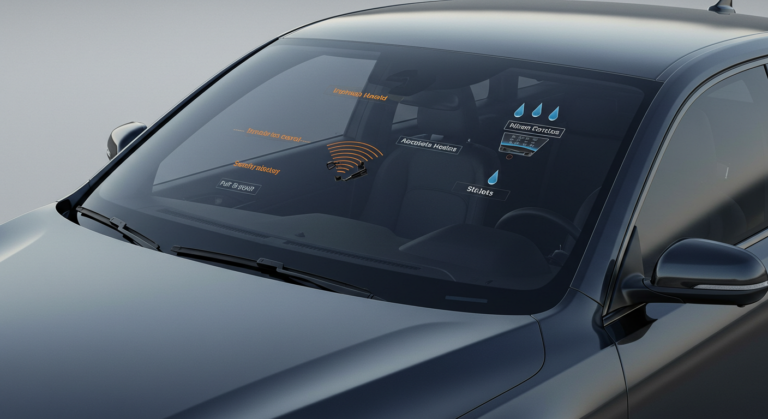
Aftermarket glass can be perfectly suitable for many vehicles, offering significant cost savings while meeting safety standards. However, if your vehicle has advanced features like rain sensors, heads-up displays, or lane departure warnings integrated into the windshield, OEM glass often provides better compatibility. Your repair shop should explain the differences and help you make an informed decision based on your vehicle’s specific requirements and your insurance coverage provisions.
Premium Impact and Claims History Considerations
A common concern when filing comprehensive windshield claims is whether it will affect your insurance premium. The Texas Department of Insurance regulations provide some protection for policy holders, and many insurers treat comprehensive glass claims differently than collision or at-fault accident claims. Generally, a single windshield claim should not significantly impact your rates, particularly if you have an otherwise clean claims history. However, multiple windshield claims within a short period may trigger rate adjustments during your policy renewal.
Insurance companies evaluate claims history when determining premium rates, but comprehensive coverage claims typically have less impact than collision or liability claims. Some providers offer accident forgiveness programs that protect your rates after your first claim. Understanding your specific policy’s terms regarding claim frequency and premium calculations helps you make informed decisions about whether to file a claim for minor damage or pay out-of-pocket for small windshield chip repairs.
Will Filing a Windshield Claim Increase Your Insurance Rates?
Most Texas insurance providers will not raise your premium for a single comprehensive glass claim, especially for no-fault incidents like hail damage or rock chips. However, your overall risk profile, including frequency of all claim types, contributes to rate calculations. If you’ve filed multiple claims of any type within your policy period, adding a windshield claim could influence your renewal rates, though the impact is typically minimal compared to at-fault collision claims.
Before filing, calculate whether your deductible amount makes the claim financially worthwhile. If your windshield replacement cost is $300 and your deductible is $250, the claim may not justify the potential premium increase or claims history notation. Conversely, if you have a $0 deductible for glass coverage or face a $1,000 replacement cost with a $100 deductible, filing the claim provides substantial financial benefit with minimal risk to your insurance rates.
Key Steps for Successful Windshield Claim Filing
Successfully navigating the auto insurance claim process requires attention to detail and prompt action. Following these essential steps ensures your claim proceeds smoothly from initial damage discovery through final glass installation. Each phase plays a critical role in securing approval and minimizing your out-of-pocket expenses while maintaining your vehicle’s safety and structural integrity.
The claim procedure timeline varies by provider and damage severity, but understanding the general workflow helps you plan accordingly. From initial contact with your insurance company through final vehicle inspection after glass replacement, staying organized and responsive to requests accelerates the entire process and reduces stress during an already inconvenient situation.
- Document the damage immediately: Take clear photographs of the windshield crack or chip from multiple angles, including close-ups showing size and location. Note the date, time, and circumstances of when you discovered or sustained the damage.
- Contact your insurance provider: Call your insurance agent or customer service representative within 24-48 hours of discovering damage. Provide your policy number, VIN, and damage details to initiate the claim filing requirements process.
- Obtain your claim number: Record the claim number provided by your insurer and keep it accessible for all future communications. This reference number tracks your claim through every stage of the approval and service process.
- Schedule damage assessment: Arrange for an insurance adjuster inspection if required, or obtain estimates from approved repair facilities. Many insurers now accept digital assessments through mobile apps, expediting the approval timeline.
- Choose your repair facility: Select an auto glass repair shop that meets your quality standards and insurance network requirements. Verify they can handle any necessary ADAS recalibration for vehicles with advanced safety features.
- Confirm coverage details: Understand your deductible amount, whether repair or replacement is covered, and any out-of-pocket costs you’ll incur. Clarify whether the shop provides direct billing or if you’ll need to seek reimbursement.
- Complete the repair or replacement: Schedule service at your convenience, with many shops offering mobile glass service that comes to your location. Ensure the work includes proper windshield calibration if your vehicle requires it.
- Submit final documentation: Provide receipts, invoices, and completion certificates to your insurance provider if you paid upfront. Follow up on your claim reimbursement process to ensure timely payment.
What Timeline Should You Expect for Claim Processing?
The insurance claim timeline typically ranges from same-day approval to 48 hours for standard windshield claims. Emergency windshield claims involving safety hazards often receive expedited processing, with same-day windshield replacement coordination available through most major providers. Once approved, scheduling repair or replacement depends on your chosen facility’s availability and your schedule preferences, with many shops offering same-day or next-day service for urgent needs.
The claim settlement process concludes once the work is completed and any required payments are processed. If you used a network provider with direct billing, you’ll only pay your deductible at service time. For out-of-network repairs where you paid the full windshield replacement cost upfront, expect reimbursement within 10-30 days of submitting proper documentation, though many insurers process payments faster through electronic transfer methods.
Frequently Asked Questions
Does Texas require insurance companies to waive deductibles for windshield repair?
No, Texas does not mandate deductible waivers for windshield repair or replacement. However, many insurance providers voluntarily offer reduced or zero deductibles for windshield chip repair to encourage prompt fixes that prevent more expensive replacement needs. Review your specific policy terms to understand your deductible obligations, as coverage varies significantly between providers and policy types.
How many windshield claims can you file in Texas without affecting your rates?
Most Texas insurance providers allow one comprehensive windshield claim per policy period without significant rate impact, though this varies by company. Filing multiple windshield claims within 12-24 months may trigger premium adjustments or closer scrutiny during policy renewal. Consult with your insurance agent about your specific policy’s claims frequency guidelines to make informed decisions about filing versus paying out-of-pocket.
Can you choose your own auto glass repair shop in Texas?
Yes, Texas law generally allows policy holders to select their preferred auto glass repair facility, even if it’s not in your insurance provider’s network. However, using out-of-network shops may require you to pay upfront and seek reimbursement, and your insurer may only reimburse up to their negotiated network rates. Using approved network providers often streamlines the process through direct billing arrangements.
What’s the difference between windshield repair and replacement coverage?
Windshield repair addresses minor chips and small cracks (typically under three inches) by filling the damaged area without removing the original glass. Replacement involves removing the entire windshield and installing new glass. Many insurance policies offer lower or zero deductibles for repairs versus replacement, encouraging policy holders to address small damage promptly before it spreads and requires more expensive replacement services.
How long do you have to file a windshield insurance claim in Texas?
While Texas doesn’t specify an exact timeframe, most insurance policies require prompt notification of damage, typically within a few days to weeks of discovery. Filing delays can complicate the claims process and potentially affect approval, especially if the damage worsens during the delay. Contact your insurance provider immediately upon discovering windshield damage to ensure the smoothest claim experience and fastest service coordination.
Does windshield replacement include ADAS recalibration in insurance claims?
ADAS recalibration requirements depend on your vehicle’s features and your insurance policy terms. Modern vehicles with advanced safety systems require windshield calibration after replacement to ensure proper camera and sensor function. Some comprehensive policies automatically cover this necessary service, while others may require additional authorization or separate payment. Always verify that your chosen repair facility can perform required calibration and that your insurance covers this essential safety procedure.
Filing a windshield insurance claim in Texas doesn’t have to be complicated when you understand the process, requirements, and your policy’s specific provisions. By acting promptly, documenting thoroughly, and working with qualified repair professionals, you can restore your vehicle’s safety and appearance with minimal hassle and expense. Remember that comprehensive coverage exists specifically to protect you from unexpected damage like windshield cracks and chips, so don’t hesitate to use this valuable benefit when legitimate damage occurs.
Have you recently filed a windshield claim in Texas? Share your experience in the comments below to help other drivers navigate this process more effectively. If you found this guide helpful, consider sharing it with fellow Texas drivers who might benefit from understanding their windshield insurance coverage options and claim procedures.