Factors Influencing Windshield Replacement Price
Windshield replacement costs typically range from $200 to $1,500, influenced primarily by your vehicle’s make and model, the type of glass required, advanced driver assistance systems (ADAS), and labor rates in your area.
Understanding what drives windshield replacement pricing helps you budget appropriately and avoid surprise expenses. While some drivers expect a straightforward, universal cost, the reality is far more nuanced. The glass protecting your vehicle isn’t just a simple pane—it’s an engineered component that varies significantly based on multiple technical and market factors. Whether you’re driving a basic sedan or a luxury SUV with cutting-edge safety features, knowing these cost variables empowers you to make informed decisions and recognize fair pricing when you receive quotes.
Vehicle-Specific Factors That Impact Cost
Your vehicle’s specifications represent the most significant cost determinant for Windshield Replacement. Luxury and imported vehicles typically require more expensive windshields due to specialized manufacturing, limited availability, and proprietary designs. A windshield for a standard Honda Civic might cost $250-$400, while a Mercedes-Benz or BMW windshield could easily exceed $1,000 before installation.
The size and shape of your windshield also matter considerably. Larger vehicles like trucks and SUVs require more glass material and often feature complex curves that increase manufacturing difficulty. Additionally, specialty windshields with built-in features command premium prices. Heated windshields with embedded defroster elements, acoustic glass that reduces road noise, and tinted or solar-control glass all add $100-$300 to the base cost.
The model year plays a role too. Newer vehicles often incorporate the windshield into the vehicle’s structural integrity more extensively, requiring specific original equipment manufacturer (OEM) glass rather than aftermarket alternatives. While aftermarket windshields can save you 30-50% compared to OEM options, some newer vehicles perform best with manufacturer-specified glass, particularly regarding fit and long-term durability.
Advanced Technology Integration
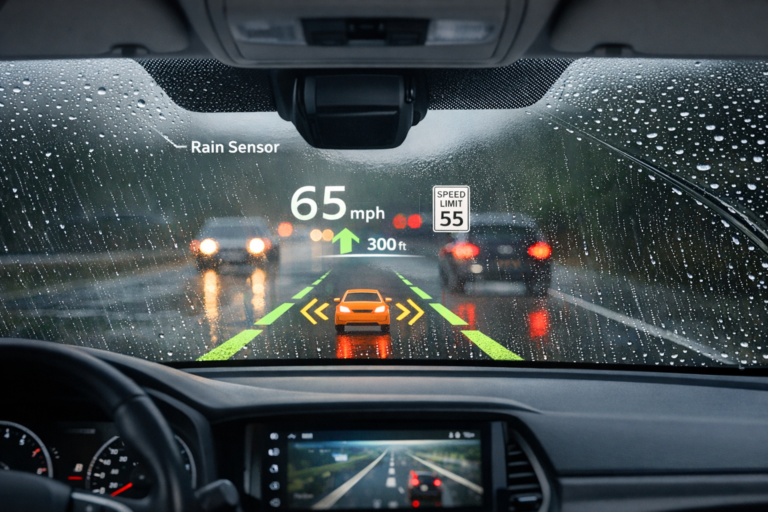
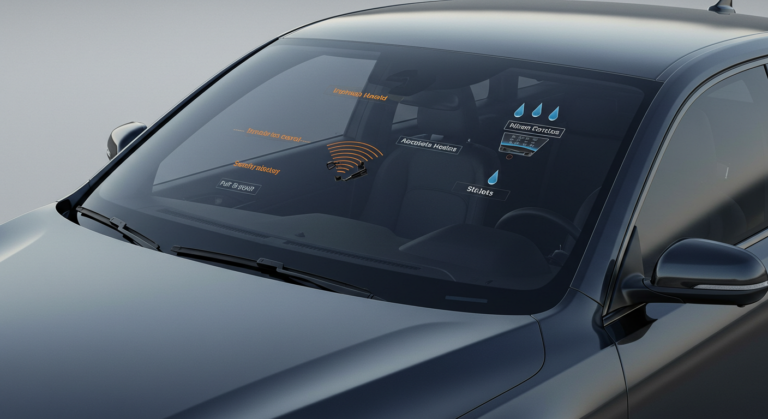
Modern vehicles increasingly incorporate advanced driver assistance systems (ADAS) that rely on cameras, sensors, and other technology mounted on or near the windshield. These systems—including lane departure warnings, automatic emergency braking, adaptive cruise control, and rain-sensing wipers—significantly impact replacement costs.
When your windshield houses these technologies, replacement isn’t simply about installing new glass. The systems require precise calibration afterward to function correctly and safely. ADAS calibration alone adds $200-$800 to your total cost, depending on system complexity and whether static (in-shop) or dynamic (on-road) calibration is needed. Some vehicles require both methods, further increasing expenses.
Head-up display (HUD) systems that project information onto the windshield also raise costs. These windshields feature special coatings and precise specifications to ensure clear projection, typically adding $300-$500 to replacement costs. Rain sensors, though less expensive, still require compatible windshields and proper installation, adding roughly $50-$150.
Before replacing a windshield on a vehicle with these features, technicians must disconnect and later reconnect various components. This additional labor time translates directly to higher bills. Always verify that your chosen replacement service has the proper equipment and training to handle your vehicle’s specific technology—improper calibration can compromise safety features you depend on daily.
Labor, Location, and Service Variables
Geographic location substantially influences windshield replacement pricing. Urban areas with higher costs of living typically charge more for labor, while rural regions may have fewer service options, potentially limiting competition. Metropolitan areas like Dallas, New York, or Los Angeles often see rates $50-$150 higher than smaller cities for identical services.
Labor costs themselves vary based on the complexity of your particular vehicle. Older models with simpler installation methods might require only 1-2 hours of work, while newer vehicles with bonded windshields, ADAS calibration, and intricate trim removal can take 3-5 hours. At labor rates of $75-$150 per hour, this time difference significantly impacts your final bill.
Mobile versus in-shop service also affects pricing. Mobile services that come to your location typically charge $50-$100 extra for convenience, though this varies by provider. However, ADAS-equipped vehicles usually require in-shop service anyway due to calibration equipment requirements.
Insurance coverage dramatically changes your out-of-pocket expenses. Many comprehensive policies cover windshield replacement with no deductible or a reduced deductible specifically for glass claims. In some states, insurers must waive deductibles for windshield repairs and replacements entirely. Always check your coverage before paying out of pocket—you might owe nothing or only a small copay.
Making the Best Decision for Your Budget
Windshield replacement represents a necessary safety investment rather than optional maintenance. While costs vary widely based on vehicle specifications, technology features, and location, understanding these factors helps you evaluate quotes and choose quality service at fair prices.
Don’t automatically choose the cheapest option—improper installation compromises your safety and can lead to leaks, wind noise, or even windshield ejection during accidents. Request detailed quotes that itemize glass type, labor, and any calibration needs. Ask about warranties covering both the glass and installation workmanship, typically ranging from one year to lifetime coverage.
Ready to get your windshield replaced by experienced professionals? Contact a certified auto glass specialist today for a detailed quote specific to your vehicle and schedule your service with confidence knowing exactly what factors influence your replacement cost.