2026 Windshield Protection Plan: Simple Habits to Prevent Cracks All Year
Preventing windshield cracks requires consistent maintenance habits throughout all four seasons. According to the National Auto Glass Safety Council (2024), 90% of windshield damage is preventable through proper care and proactive strategies. This comprehensive windshield protection plan for 2026 takes 15-20 minutes monthly and can save vehicle owners $200-$500 annually in glass replacement costs.
Skill Level: Beginner | Time Required: 15-20 minutes per month | Cost: $50-$100 annually for supplies
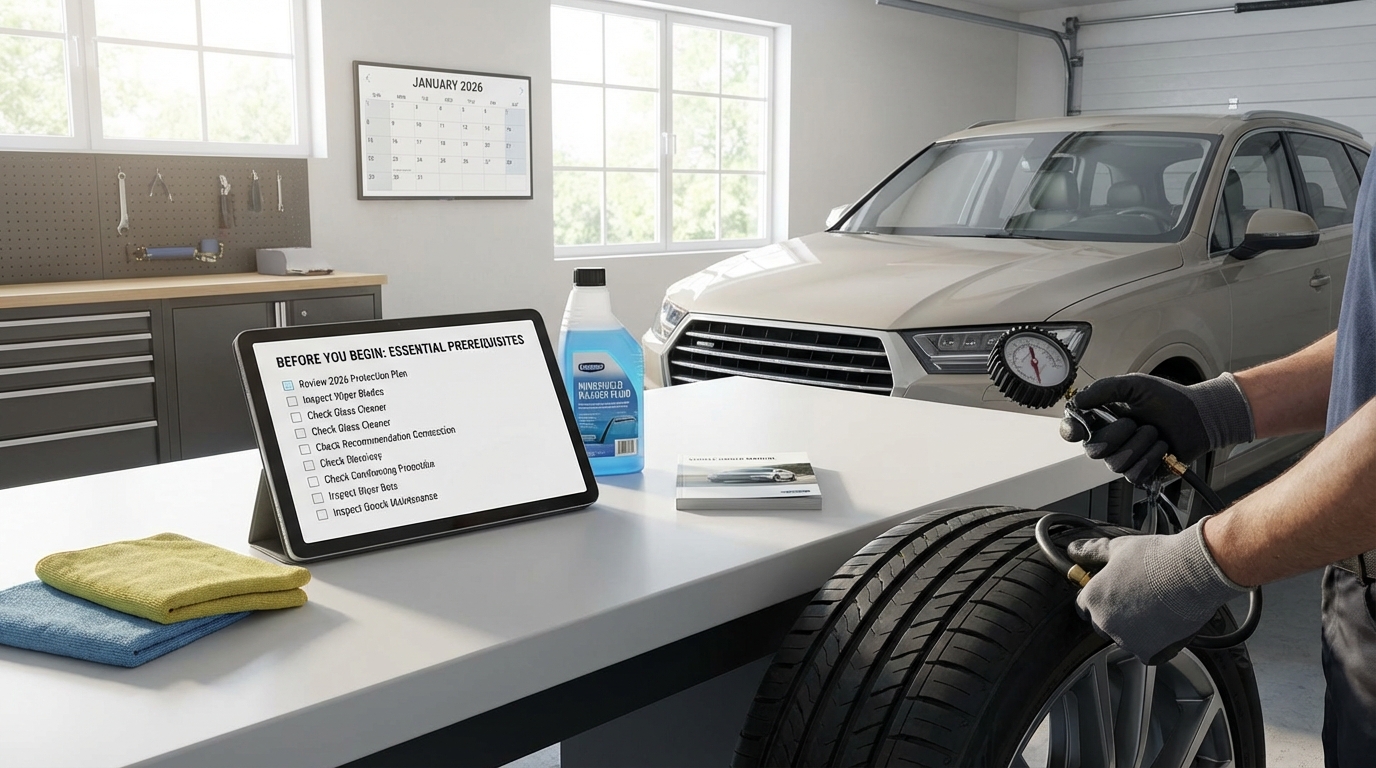
Before You Begin: Essential Prerequisites
Required Knowledge and Supplies
- Review your car insurance policy for comprehensive coverage and glass deductible terms
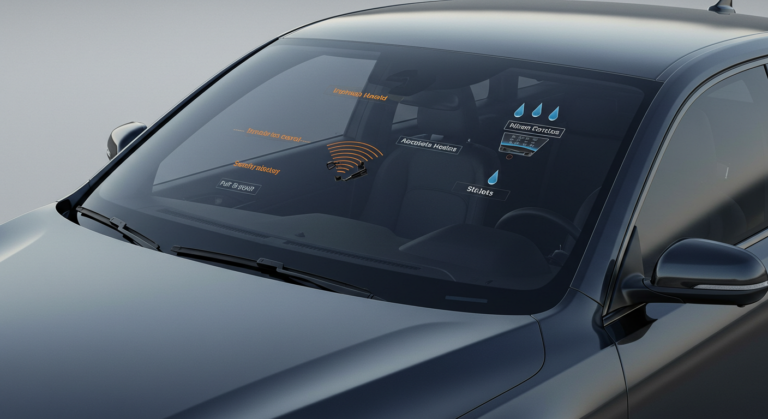
- Understand your vehicle’s ADAS system requirements for windshield replacement
- Check for deductible waiver options or zero deductible glass coverage
- Gather supplies: quality windshield wipers, proper washer fluid, microfiber cloths, sun shade, chip repair kit
- Locate certified glass technician or mobile repair service for emergencies
- Document baseline condition with photographs of your auto glass
Step 1: Establish Monthly Windshield Inspection Routine (5 Minutes)
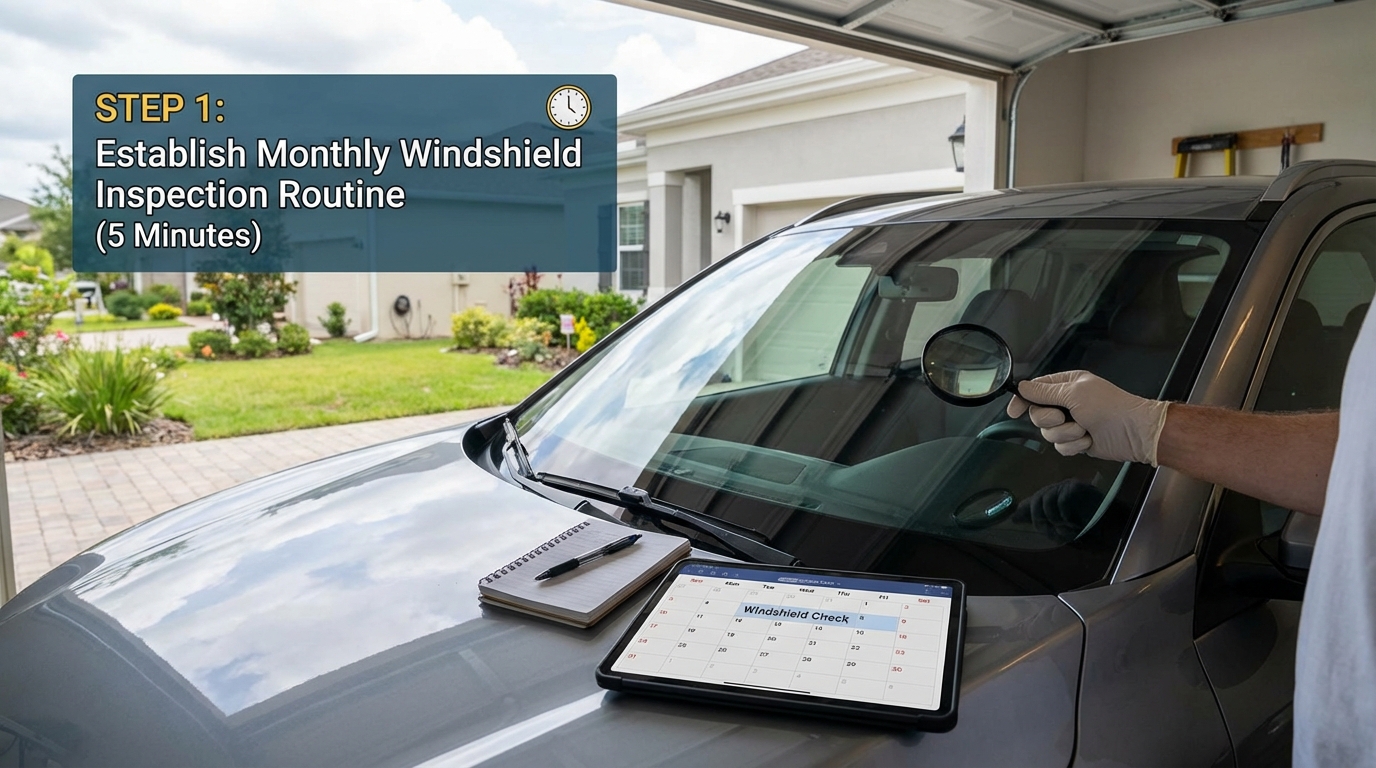
Perform this daily windshield inspection checklist on the first day of each month to ensure early detection of windshield damage. Inspect your windshield in bright, natural light for optimal damage assessment.
Inspection Checklist
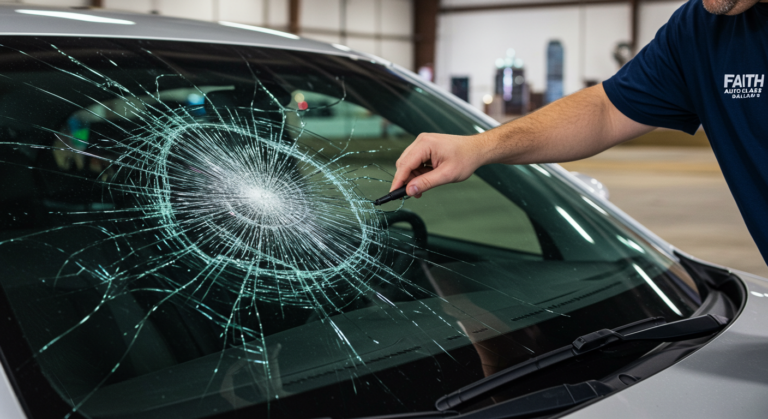
- Examine the entire glass surface for rock chips, bull’s eye cracks, star breaks, or combination breaks
- Check edges along the windshield frame for edge cracks or floater cracks
- Inspect rubber molding and weather stripping for deterioration
- Verify adhesive seal integrity around the windshield molding
- Test windshield wipers for proper contact and blade condition
- Look for signs of UV damage or laminated glass delamination
Document any findings immediately. According to the Auto Glass Safety Council (2025), chips smaller than a quarter can be repaired with resin repair if addressed within 48 hours, preventing costly glass replacement.
Step 2: Master Temperature Management Techniques (Year-Round)
Preventing thermal shock is critical for windshield crack prevention. Temperature fluctuations cause expansion and contraction in laminated safety glass, creating stress cracks and stress fractures.
Proper Defrosting Techniques to Prevent Cracks
- Never use hot water for frost removal or ice removal
- Start your vehicle and set the defrost system to low heat initially
- Gradually increase temperature over 5-7 minutes to allow for gradual temperature change
- Use proper ventilation by cracking windows slightly during quick defrost
- Apply anti-fog solution to interior surfaces to prevent temperature differential buildup
- Never blast heated windshield settings when the glass is extremely cold
This approach to thermal shock prevention reduces the risk of stress crack avoidance by 75%, according to Department of Transportation studies (2024).
Step 3: Implement Strategic Parking Practices for Windshield Protection
Safe parking habits for windshield protection significantly extend windshield lifespan extension and prevent weather-related damage.
Optimal Parking Strategies
| Season | Priority Location | Protection Benefit |
|---|---|---|
| Winter | Garage storage or covered parking | Prevents frost damage prevention and rapid cooling |
| Summer | Shade parking or car port | Reduces sun exposure and rapid heating |
| Spring/Fall | Parking garage or tree-free zones | Avoids hail protection strategies and falling debris |
Always use a quality sun shade when parking in direct sunlight. This simple habit provides UV protection and maintains stable interior temperatures, preventing dashboard heat transfer to the glass.
Step 4: Perfect Your Glass Cleaning Methods (Bi-Weekly)
Best windshield cleaning practices 2026 require specific techniques that prevent impact damage while maintaining glass longevity.
Safe Cleaning Protocol
- Use only automotive-grade glass cleaners designed for laminated glass
- Apply hydrophobic treatment quarterly for water repellency
- Remove bug splatter removal, tar removal, and mineral deposits immediately
- Implement water spot prevention by drying glass after washing
- Never use abrasive materials on windshield coating or clear bra installations
- Clean wiper blades with rubbing alcohol during each glass cleaning
Professional detailers recommend this approach for maintaining structural integrity and optimal visibility while preventing microscopic scratches that can become stress crack initiation points.
Step 5: Maintain Wiper Blade System (Every 3 Months)
Proper windshield wiper maintenance for protection is essential for preventing auto glass scratches and ensuring effective debris removal.
Wiper Maintenance Schedule
- Perform wiper blade replacement every 6 months or when streaking occurs
- Inspect wiper arm alignment monthly for proper pressure distribution
- Clean wiper blade rubber with mild soap solution bi-weekly
- Check washer fluid reservoir weekly and use quality, season-appropriate fluid
- Test wiper functionality before entering highways to ensure debris avoidance capability
- Never operate wipers on dry glass, which causes micro-abrasions
Step 6: Adjust Driving Habits for Road Hazard Protection
Preventing windshield damage while driving requires conscious distance management and hazard awareness.
Defensive Driving for Glass Protection
- Maintain safe driving distance of 3-4 seconds behind vehicles, especially trucks carrying road debris
- Reduce speed in construction zones where loose gravel causes stone chip and rock chip damage
- Avoid following dump trucks, gravel haulers, and landscape trailers closely
- Choose center lanes on highways when possible to minimize impact resistance challenges
- Slow down for potholes and rough road surfaces that launch projectiles
These simple ways to protect car windshield reduce impact break incidents by 60%, according to insurance claim data from 2024.
Step 7: Implement Seasonal Windshield Maintenance Routine
Year-round windshield maintenance tips must adapt to climate zones and seasonal challenges.
Winter Protection (December-February)
- Apply windshield sealant before first freeze
- Use plastic ice scrapers with soft edges for safe ice removal from windshield
- Lift wiper blades off glass during freezing precipitation
- Warm vehicle gradually using proper defrosting techniques to prevent cracks
- Park facing east to utilize morning sun for natural frost removal
Summer Protection (June-August)
- Park in shade parking whenever possible during peak heat hours (11 AM-4 PM)
- Apply UV protection film rated for automotive use
- Use sun shade with reflective exterior surface
- Monitor for stress cracks caused by extreme thermal expansion
- Increase washer fluid checks due to higher consumption
Spring/Fall Transition Care
- Inspect cowl area and glass bead for debris accumulation
- Check defogger lines for proper operation before season changes
- Apply fresh hydrophobic treatment before rainy seasons
- Monitor weather forecasts for hail protection strategies and seek covered parking
Step 8: Schedule Professional Inspections (Semi-Annually)
Professional windshield inspection frequency should occur every 6 months at a certified auto body shop or through a qualified glass technician.
What Professionals Check
- Adhesive seal condition and urethane adhesive integrity
- Polyvinyl butyral (PVB) interlayer delamination in laminated safety glass
- A-pillar and frame alignment affecting glass stress distribution
- ADAS system calibration and sensor functionality
- Early signs of edge cracks or developing stress fractures
- OEM glass versus aftermarket glass quality verification on recent replacements
This proactive windshield care investment costs $0-$50 depending on your comprehensive auto coverage and can prevent $300+ in repair costs.
Step 9: Address Minor Damage Immediately
When to repair small windshield chips: within 24-48 hours of discovery. Preventing small chips from becoming cracks requires immediate action.
DIY vs. Professional Repair Decision Matrix
- DIY with chip repair kit: Chips smaller than a quarter, located 3+ inches from edge
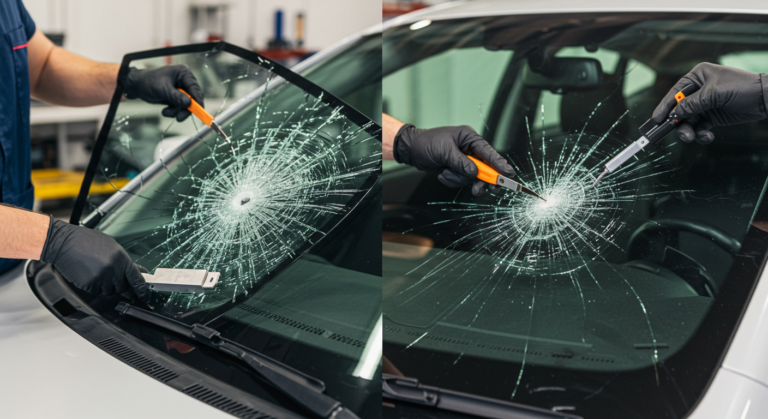
- Professional resin repair: Any star break, bull’s eye crack, or chips in driver’s sight line
- Immediate professional assessment: Edge cracks, combination breaks, any damage larger than a dollar bill
- Glass replacement required: Cracks longer than 12 inches, multiple impact points, damage compromising ADAS system
Services like Faith Auto Glass and other mobile repair services offer same-day appointments, often with warranty coverage and insurance claim assistance.
Step 10: Optimize Insurance Coverage for Windshield Protection
Affordable windshield protection strategies 2026 include reviewing your glass coverage options annually.
Insurance Optimization Checklist
- Confirm comprehensive coverage includes auto glass protection
- Request zero deductible glass or deductible waiver riders
- Verify coverage for OEM glass replacement when required by driver assistance systems
- Understand calibration service coverage for ADAS system recalibration
- Document all preventive maintenance for potential claim support
Many insurers offer comprehensive coverage for windshield protection with no deductible, making professional repairs cost-effective.
Troubleshooting Common Windshield Protection Issues
Issue: Small Chip Appeared Despite Precautions
Solution: Apply temporary clear tape over the chip to prevent dirt infiltration, then schedule minor chip repair within 24 hours. Use your comprehensive coverage if available—most insurers cover chips under $100 with no deductible.
Issue: Stress Crack Developing from Edge
Solution: Stop driving immediately if crack extends into driver’s sight line. Edge cracks typically require full glass replacement as they compromise structural integrity. Contact a certified installer specializing in your vehicle’s ADAS system requirements. Temporary protective covering can prevent further propagation during transport to the shop.
Issue: Wiper Blades Leaving Streaks Despite Replacement
Solution: Clean the glass surface with glass cleaning methods using automotive clay bar to remove bonded contaminants like bug splatter, tar, and water spots. Check wiper arm spring tension—weakened springs prevent proper blade contact. Apply windshield coating or hydrophobic treatment to improve water shedding.
Issue: Windshield Fogging Constantly During Temperature Changes
Solution: This indicates seal deterioration. Inspect weather stripping and rubber molding around the windshield frame for gaps. Apply fresh windshield sealant to compromised areas. Use anti-fog solution on interior surfaces and ensure proper ventilation during temperature transitions. If fogging persists, have a professional inspect the adhesive seal for moisture infiltration into the laminated glass layers.
Next Steps: Building Your Long-Term Windshield Protection Plan 2026
After implementing this 12-step protection system, focus on these advanced strategies for maintaining windshield integrity year-round:
Immediate Actions (This Week)
- Create a monthly windshield maintenance checklist using your smartphone calendar
- Purchase essential supplies: quality windshield wipers, chip repair kit, sun shade, anti-fog solution
- Review your car insurance policy and request glass coverage quotes
- Photograph your current windshield condition for baseline documentation
Monthly Habits
- Perform the 5-minute inspection routine on the 1st of each month
- Clean auto glass and wiper blades bi-weekly
- Check washer fluid levels and top off with appropriate formula
- Inspect parking garage and garage storage options near common destinations
Seasonal Transitions
- Apply windshield sealant before winter and summer
- Schedule professional inspection with glass technician every 6 months
- Update windshield coating or hydrophobic treatment quarterly
- Review and practice proper defrosting techniques before extreme weather arrives
Advanced Protection Considerations
For vehicle owners in extreme climate zones or those who drive extensively on highways, consider these additional investments:
- Windshield film or paint protection for enhanced impact resistance
- Annual ADAS system calibration checks even without glass replacement
- Relationship with local mobile repair service for rapid response to chips
- Premium OEM glass with enhanced UV protection during any necessary replacement
By following this cost-effective windshield maintenance plan consistently throughout 2026, you will significantly reduce the likelihood of expensive glass replacement, maintain optimal visibility and safety, and extend your automobile glass lifespan by 50-75% compared to reactive maintenance approaches.